
Plan packaging from the next assembly operation
Good packaging protects the part and supports the way it is received, identified and installed. Manual handling, automated feeding and matched frame-and-lid supply introduce different requirements for orientation, separation and labeling.
Tape-and-reel, trays, formed carriers and protective packaging can be discussed against the actual geometry, equipment and transport conditions. A packaging photograph illustrates a supply approach; the final format is selected for the specific part.
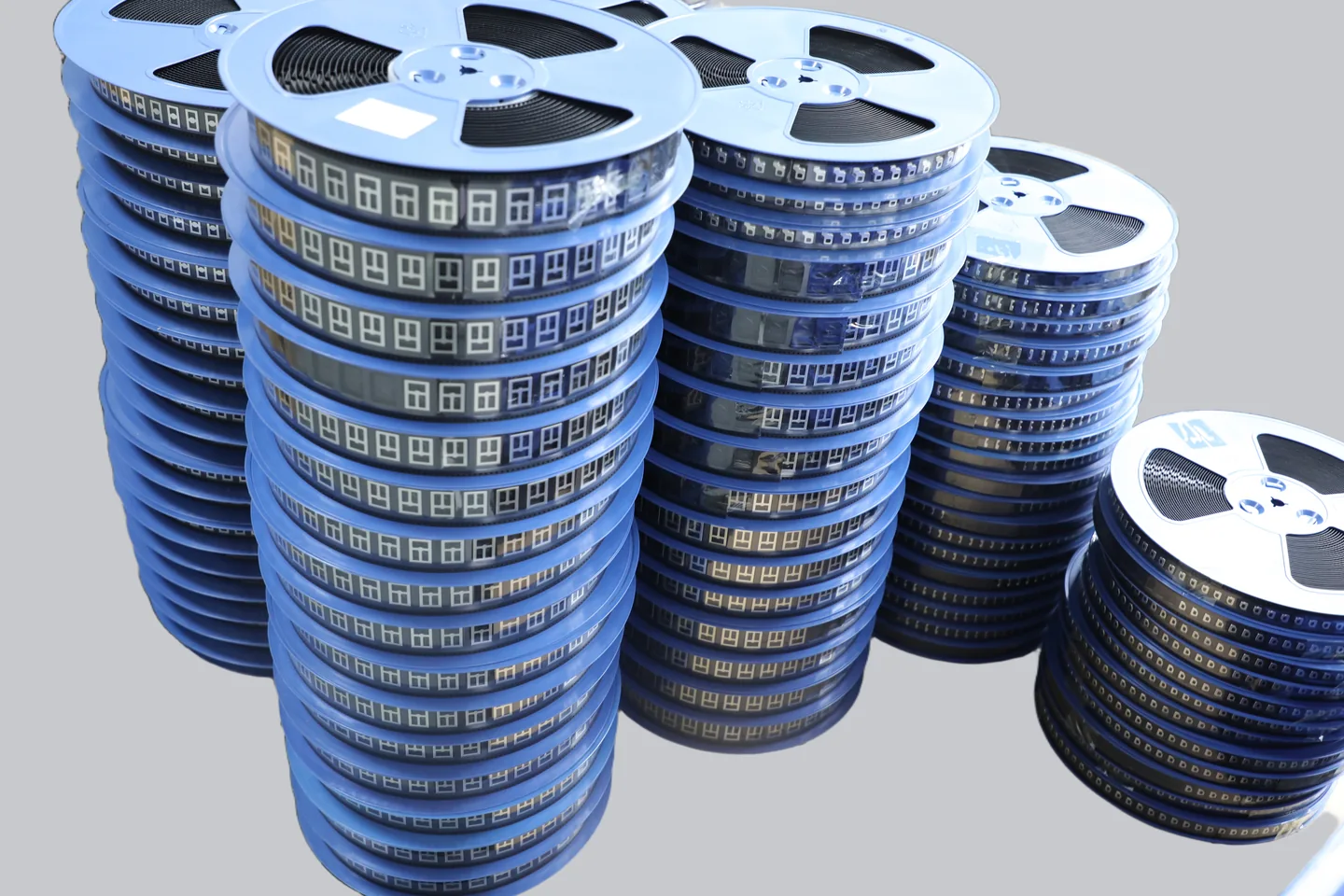
Define what the packaging needs to protect or control
Edges and mounting features
Thin walls, attachment features and contact details may need protection from pressure or unsuitable stacking. Identify the features most likely to be affected.
Orientation and handling
Coordinate the lid side, frame mounting direction and pick-up position with the assembly method. Automated supply also requires a carrier-to-equipment compatibility review.
Matched parts and identification
State whether frames, lids and clips are delivered separately or as sets. Labels and packing records should preserve the relationship between part numbers and revisions.
Provide the inputs needed for a packaging quote
| Input | Include or discuss | What it supports |
|---|---|---|
| Part geometry | Outline, attachment features, contacts and protected areas | Separation, support and handling |
| Assembly supply | Manual handling or automated feeding and equipment interface | Carrier tape, trays or another reviewed format |
| Orientation | Top and bottom, installation direction and matched sets | Pocket geometry, markings and assembly consistency |
| Quantity and labels | Pack quantity, part number, revision and batch identification | Receiving, line supply and revision control |
| Protection and transport | Anti-static, moisture or other defined requirements | Packing materials, shipping and unpacking conditions |
Check the packaging alongside the sample
A part can fit correctly while its carrier does not suit the assembly equipment. For projects with specific supply requirements, discuss the packaging at the sample stage and assess the picking direction, access and protection of critical features together.
A change to the outline, attachment feature or lid can also affect the carrier. Review the packaging after a geometry revision and keep the pack quantity, labeling and product revision consistent with the order.
Describe the assembly conditions
Provide the handling method, carrier restrictions and part direction, with an existing packing specification or sketch where available.
Agree protection and identification
Define the protected features, set relationships and required part, revision and batch markings.
Connect samples and order inputs
Confirm which packaging items need validation and carry the approved format into production and delivery planning.
Include packaging in the production schedule
Packaging quantity, material, finish, inspection records and assembly supply belong in the production preparation plan. They should be considered with the order rather than treated as an undefined final step.
Share an existing packaging specification or explain the handling and protection objectives in the RFQ. Carrier dimensions and settings are reviewed from the part and equipment information, not estimated from a product photo.