
Shielding references for real design decisions
Turn a shielding objective into a coverage boundary, assembly arrangement and acceptance plan.
11 product references shown
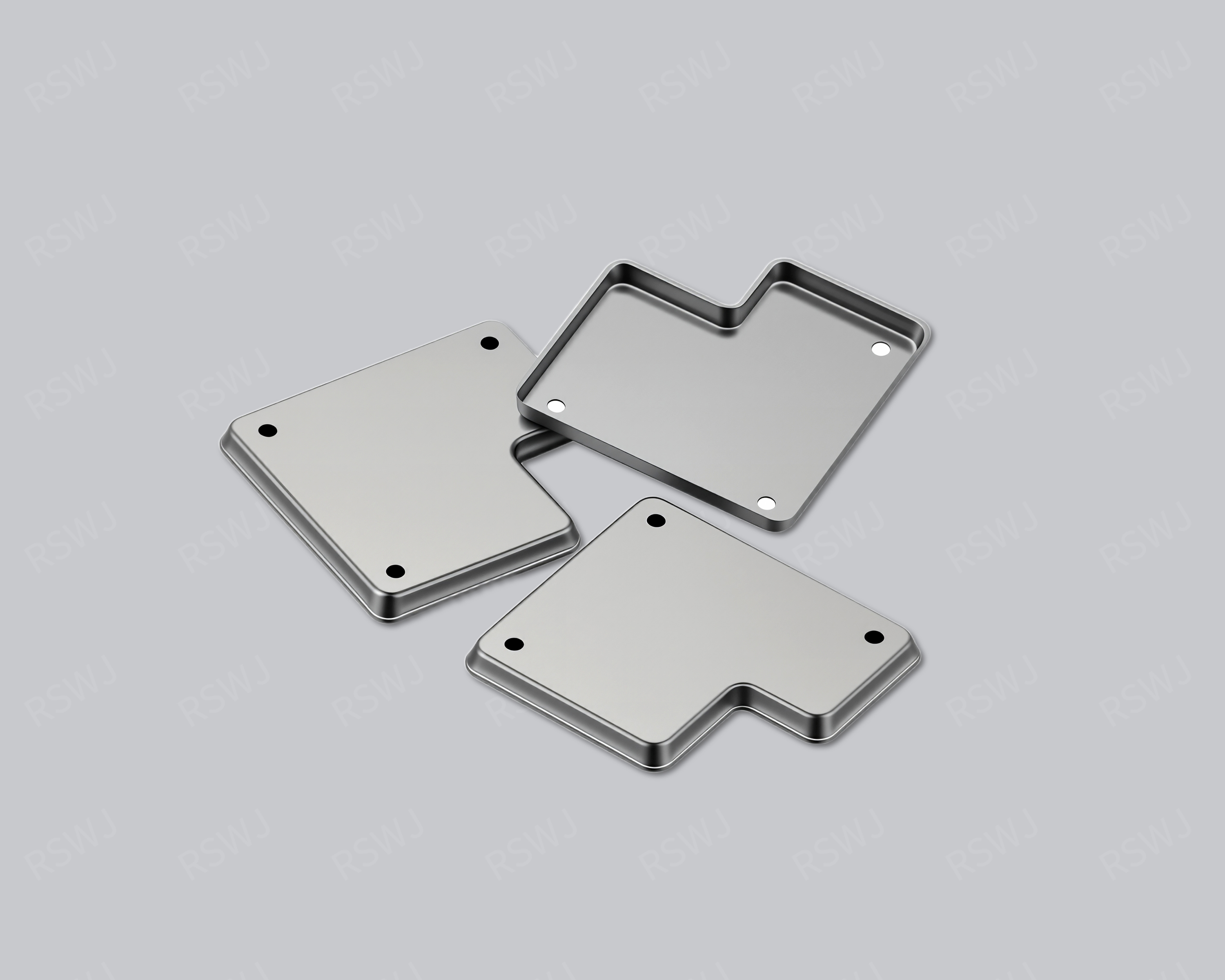
EMI Shielding Can
A custom metal shield defines a local boundary around a circuit region that needs interference control.
Explore the product & design →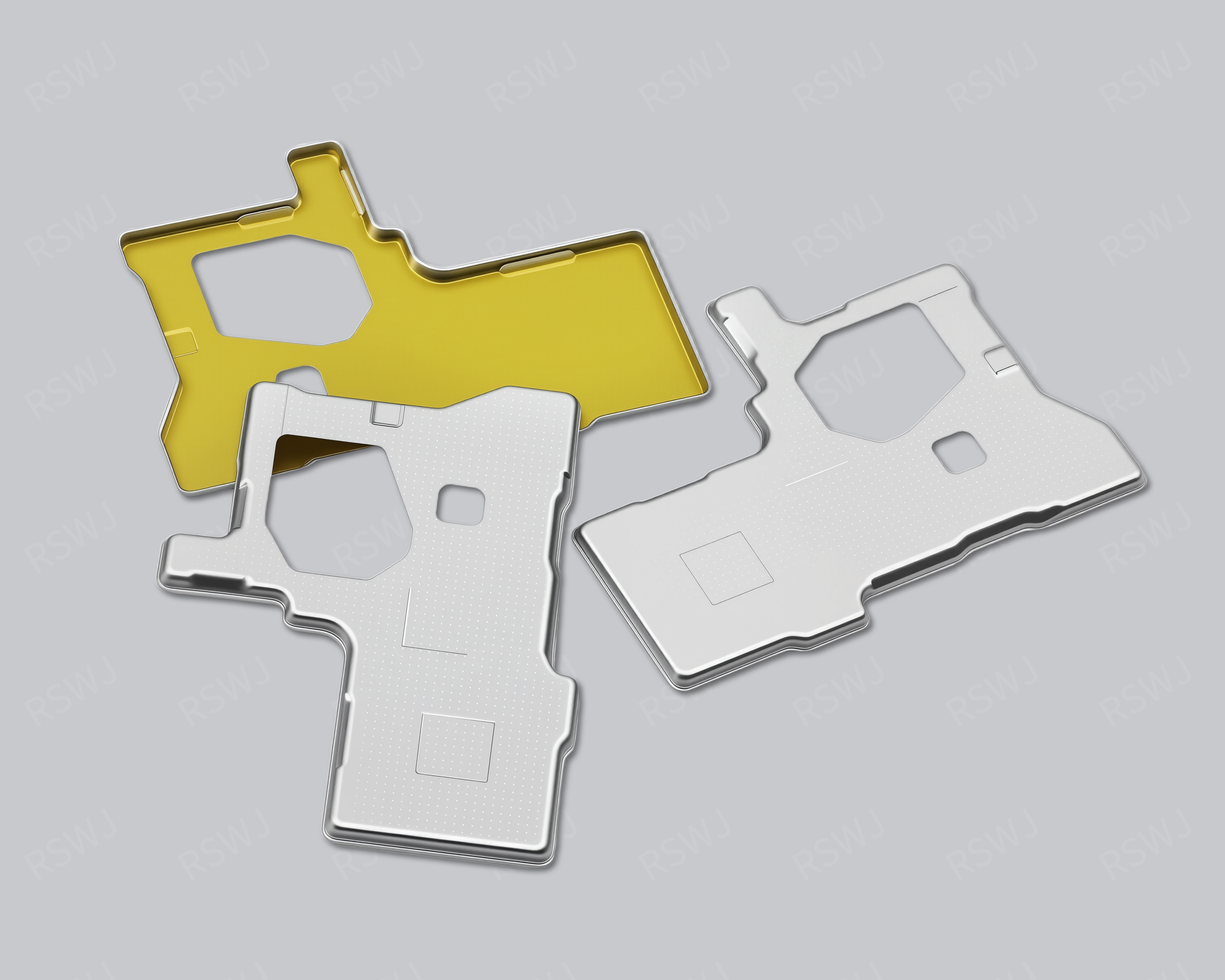
BB Baseband Shielding Cover
A BB shielding cover is a metal cover over the baseband circuit region, with boundaries set by the actual board layout.
Explore the product & design →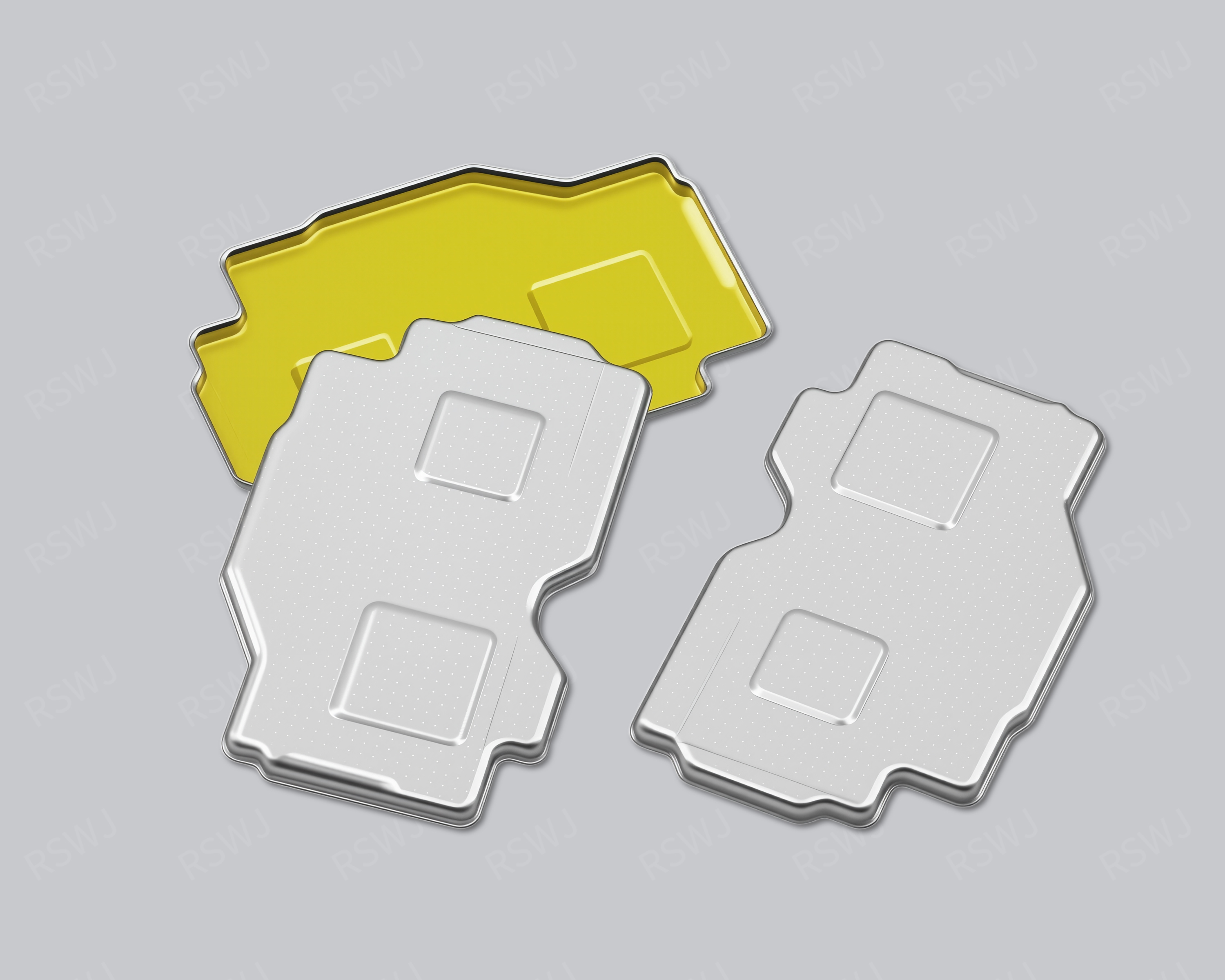
Drawing-Controlled Shielding Can
A custom metal shield defines a local boundary around a circuit region that needs interference control.
Explore the product & design →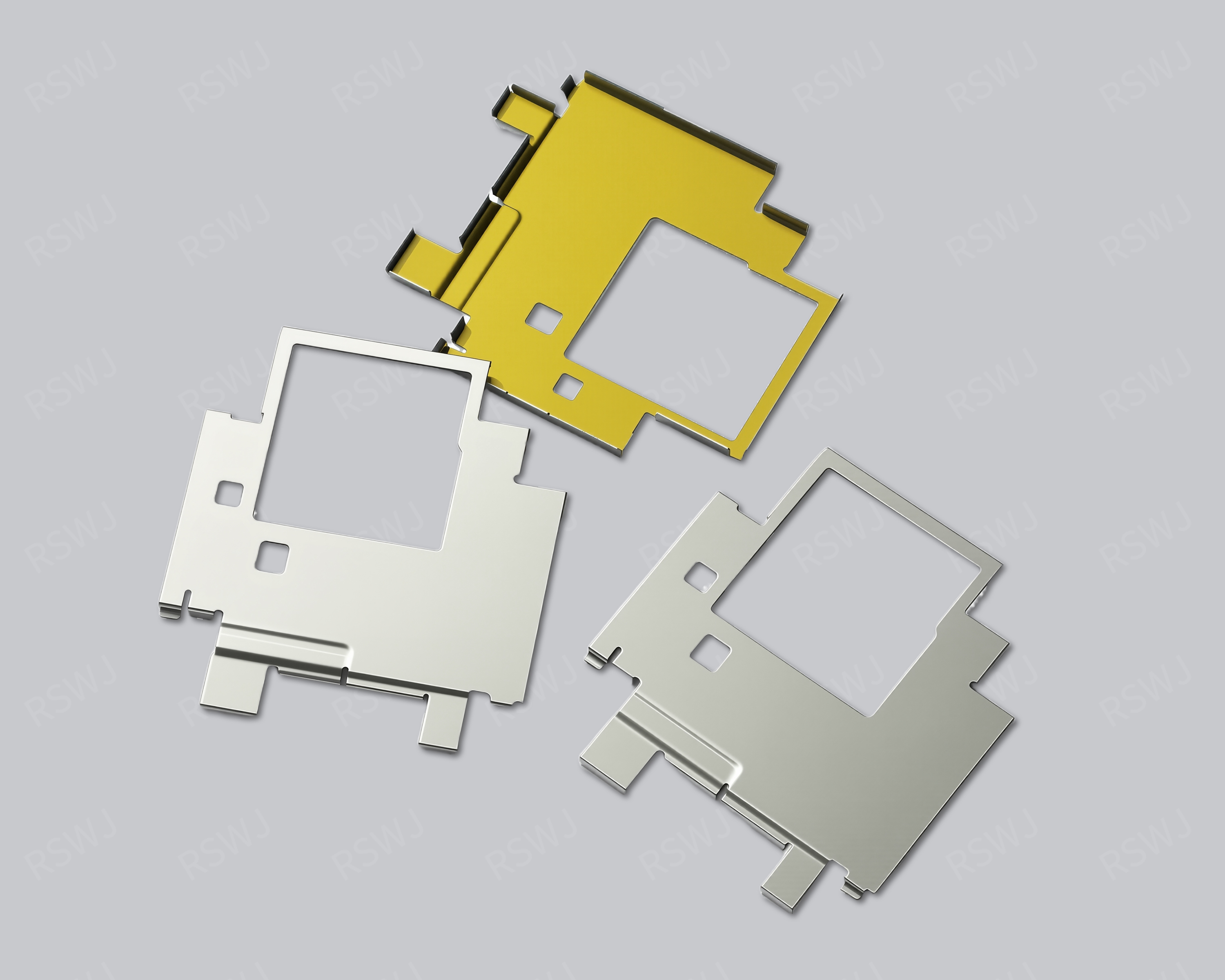
Custom EMI Shielding Can
A custom metal shield defines a local boundary around a circuit region that needs interference control.
Explore the product & design →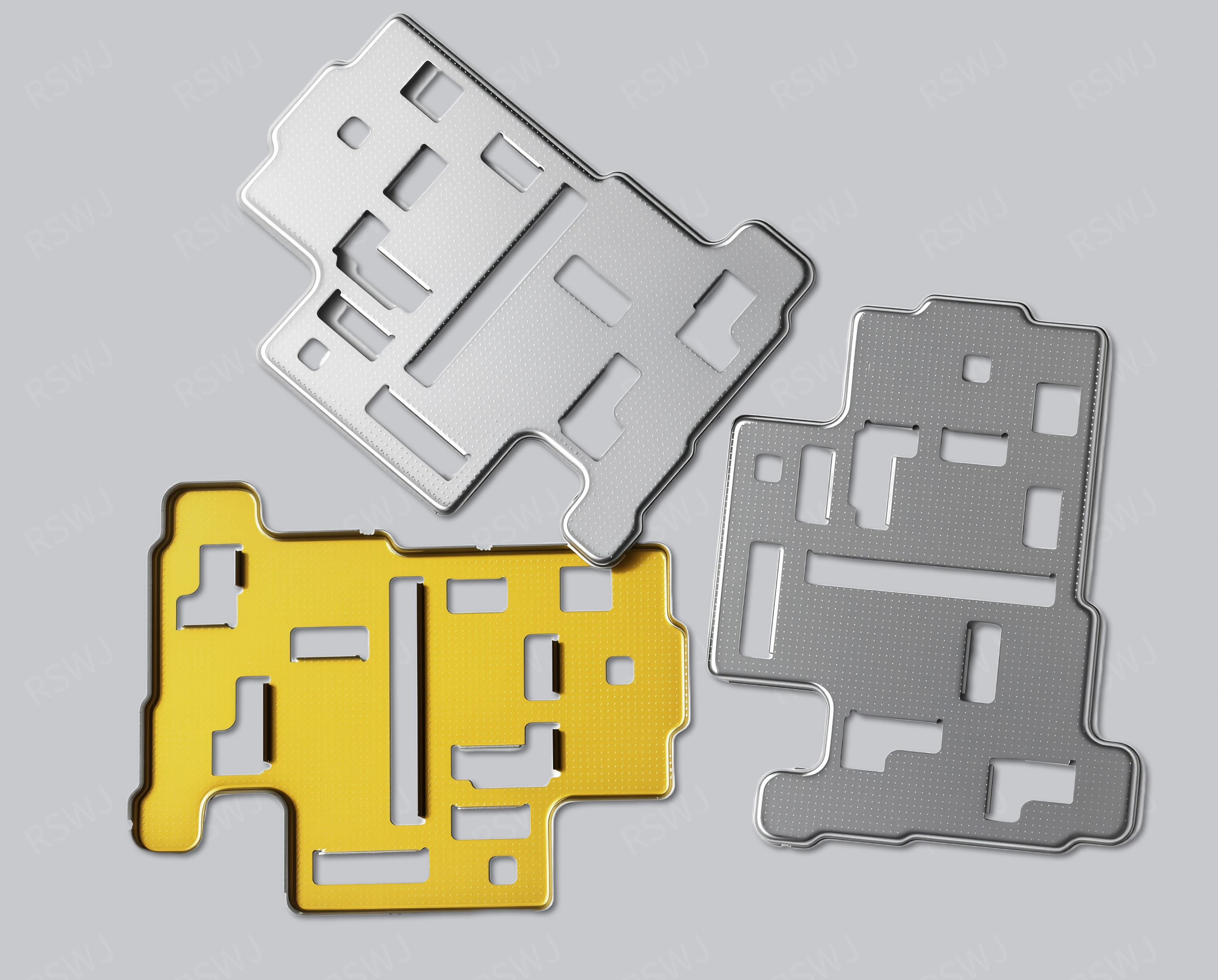
Custom Shielding Can
A custom metal shield defines a local boundary around a circuit region that needs interference control.
Explore the product & design →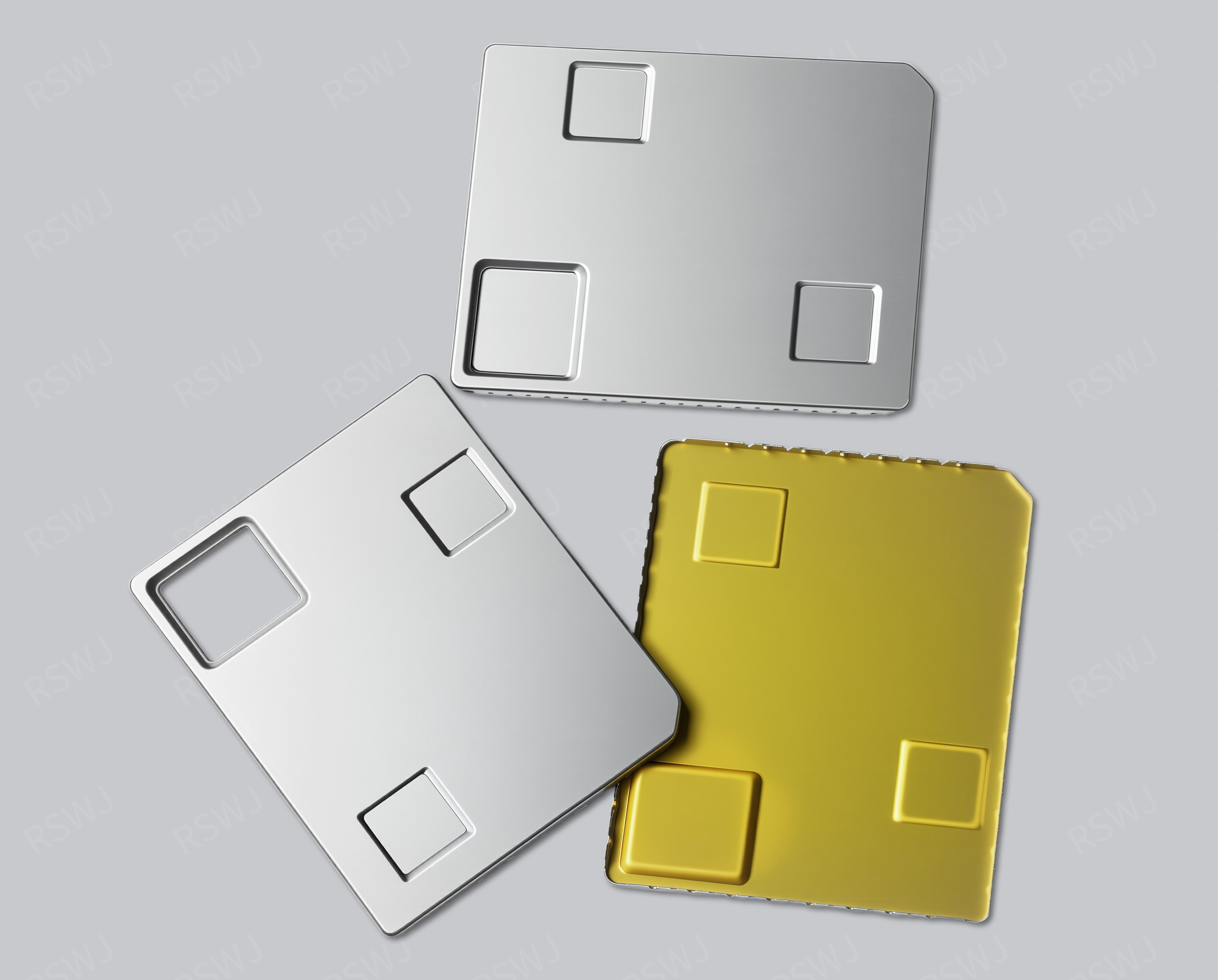
Metal Shielding Can
A custom metal shield defines a local boundary around a circuit region that needs interference control.
Explore the product & design →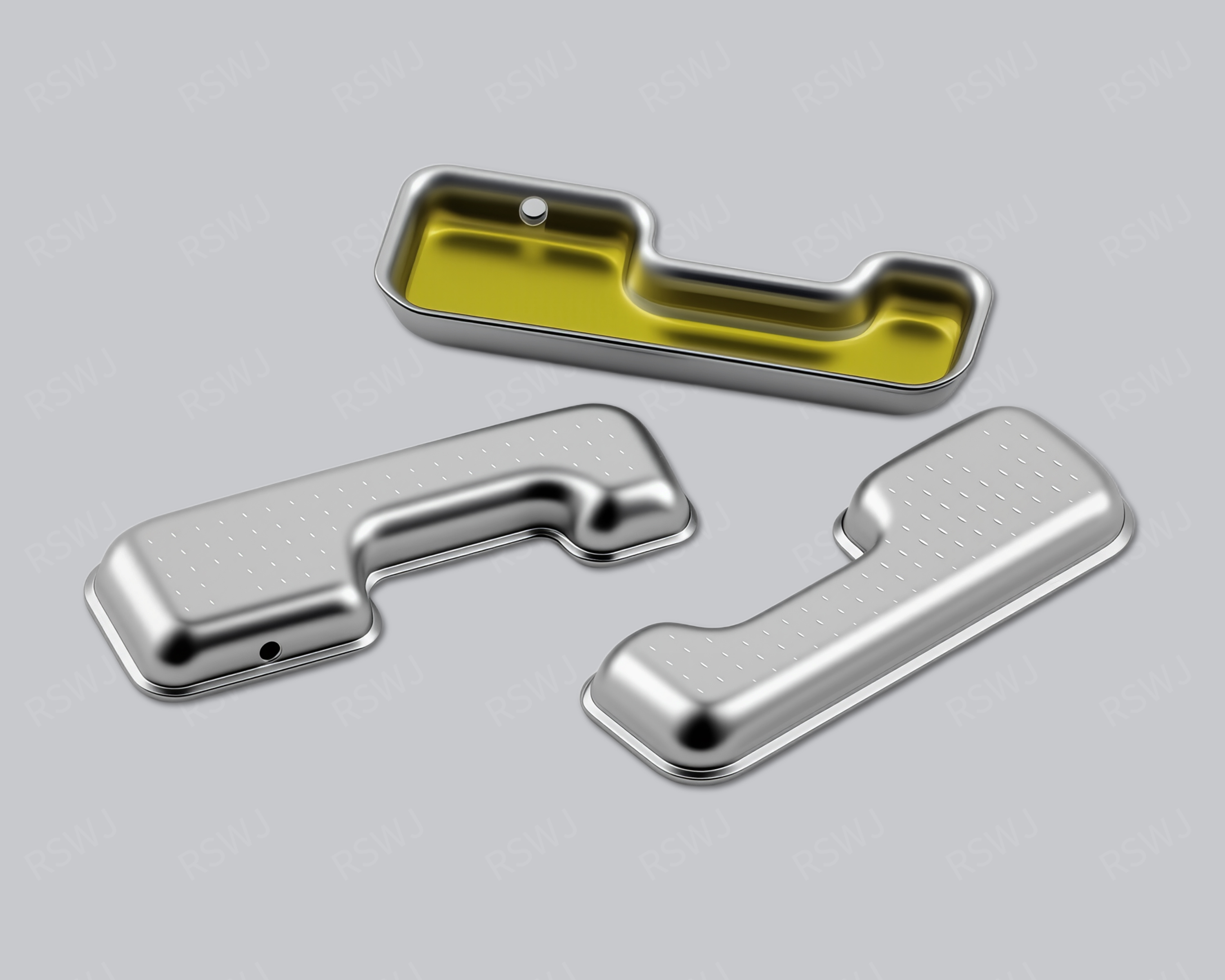
Smart Device Shielding Can
A custom metal shield defines a local boundary around a circuit region that needs interference control.
Explore the product & design →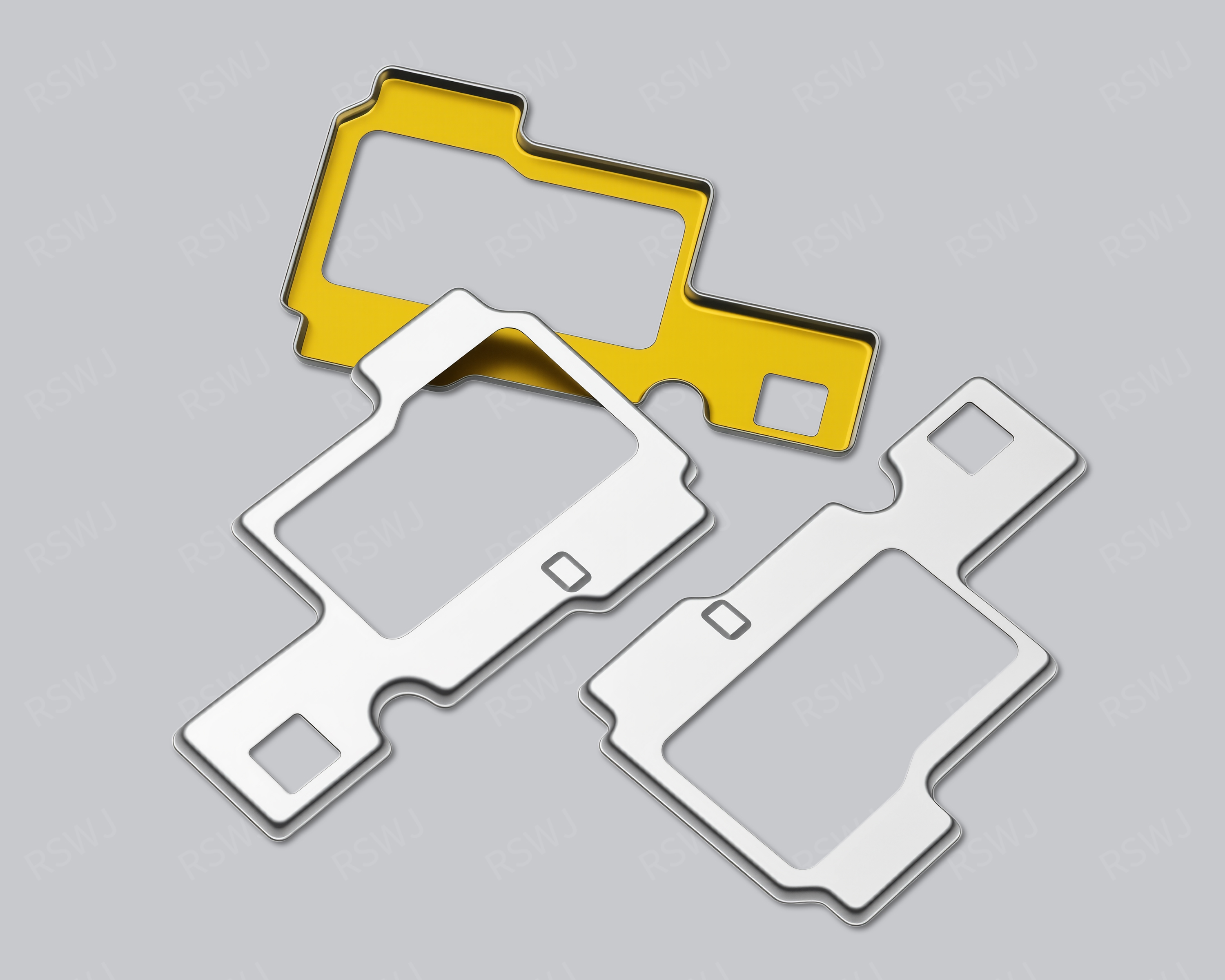
Electromagnetic Shielding Cover
A custom metal shield defines a local boundary around a circuit region that needs interference control.
Explore the product & design →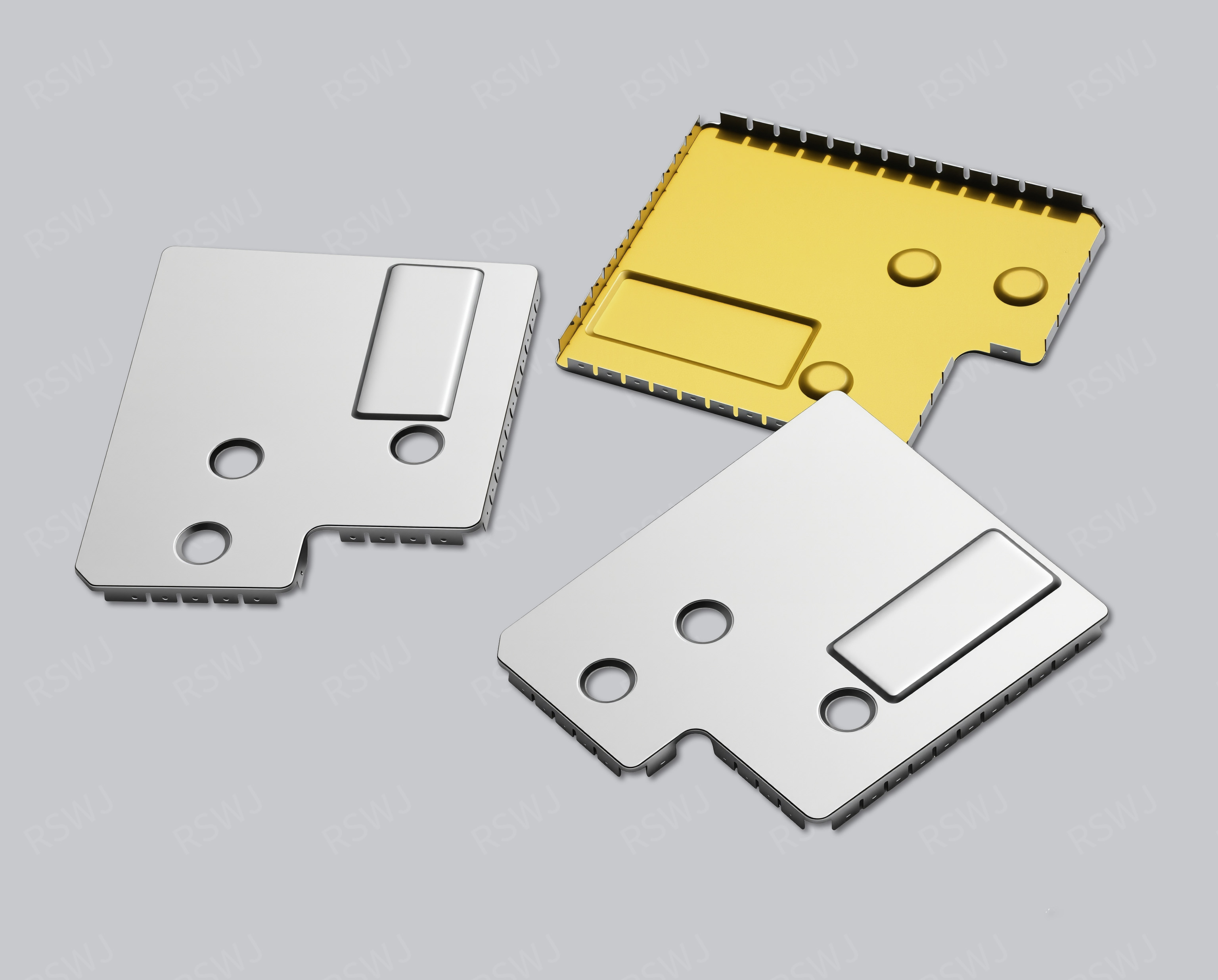
Precision EMI Shielding Can
A custom metal shield defines a local boundary around a circuit region that needs interference control.
Explore the product & design →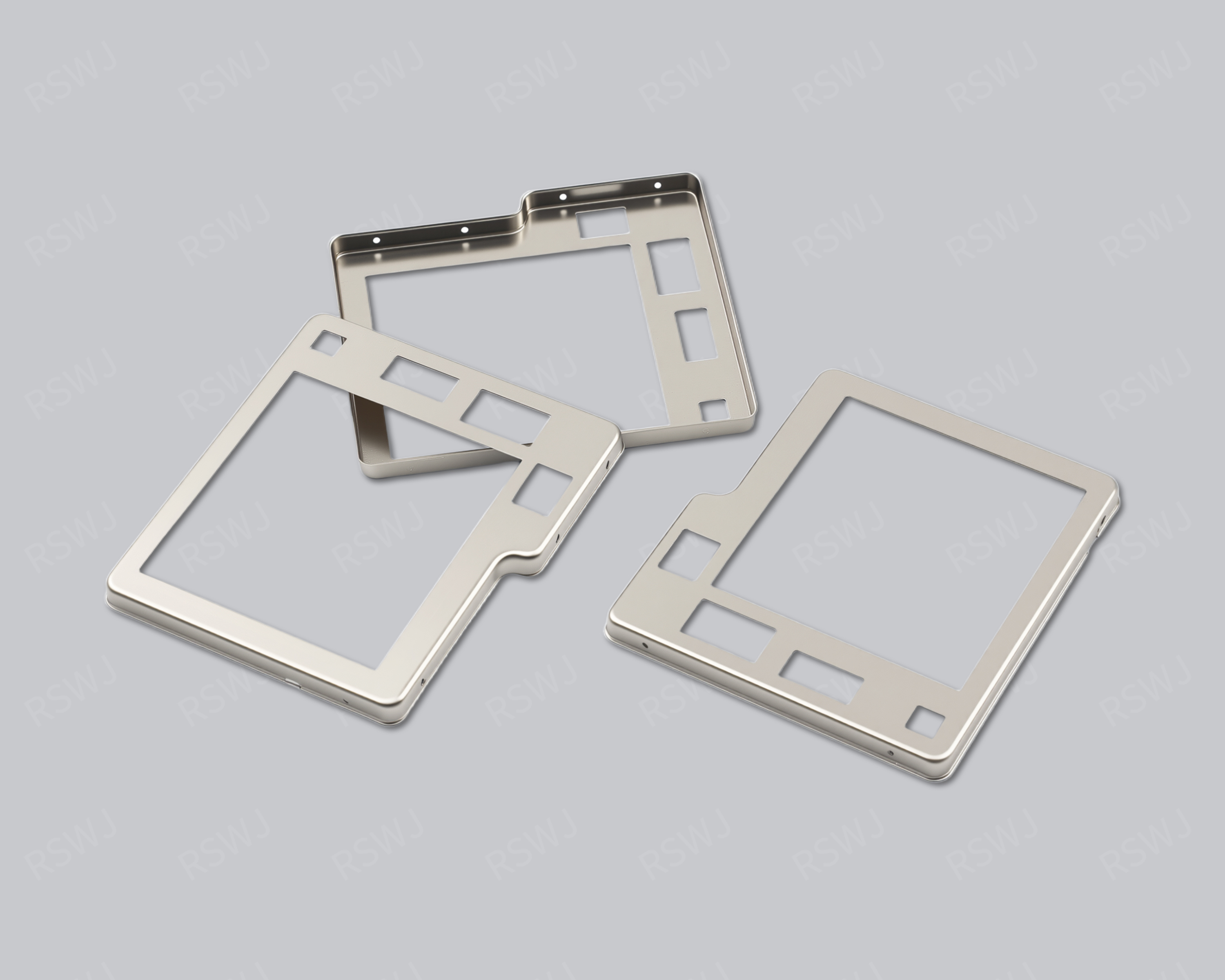
Precision Shielding Can
A custom metal shield defines a local boundary around a circuit region that needs interference control.
Explore the product & design →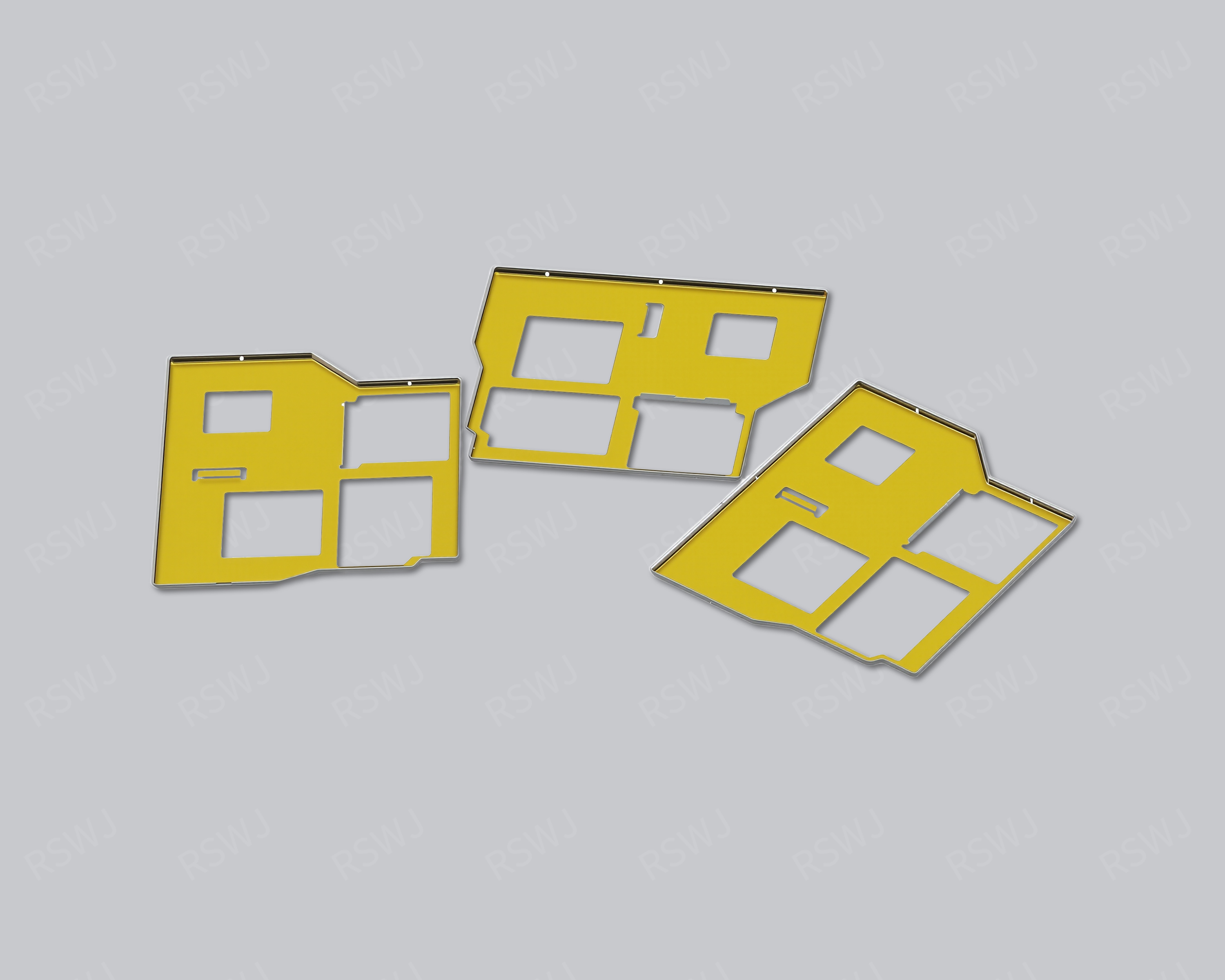
Shielding Can with Insulated Areas
A shield with insulated areas separates electrical-isolation regions from retained conductive attachment and contact.
Explore the product & design →Turn a reference into a defined custom brief
Identify the circuit or mating object, intended coverage and fixed interfaces before discussing a new can. Material, access and acceptance requirements convert the product reference into an executable drawing package. Use the details pages to compare actual engineering tasks.
Define the sample before comparing it
Provide the drawing revision, material, mating components and required acceptance checks. Samples are chargeable. Reference planning is 3–5 days for standard samples, 48 hours for expedited sampling, and 7–10 days for tooling and sample production. These arrangements exclude mass-production delivery; the actual project scope and timing are reviewed separately.
Discuss the drawing package