
Shielding references for real design decisions
Connect the specified alloy and condition with forming, joining and functional surfaces.
11 product references shown
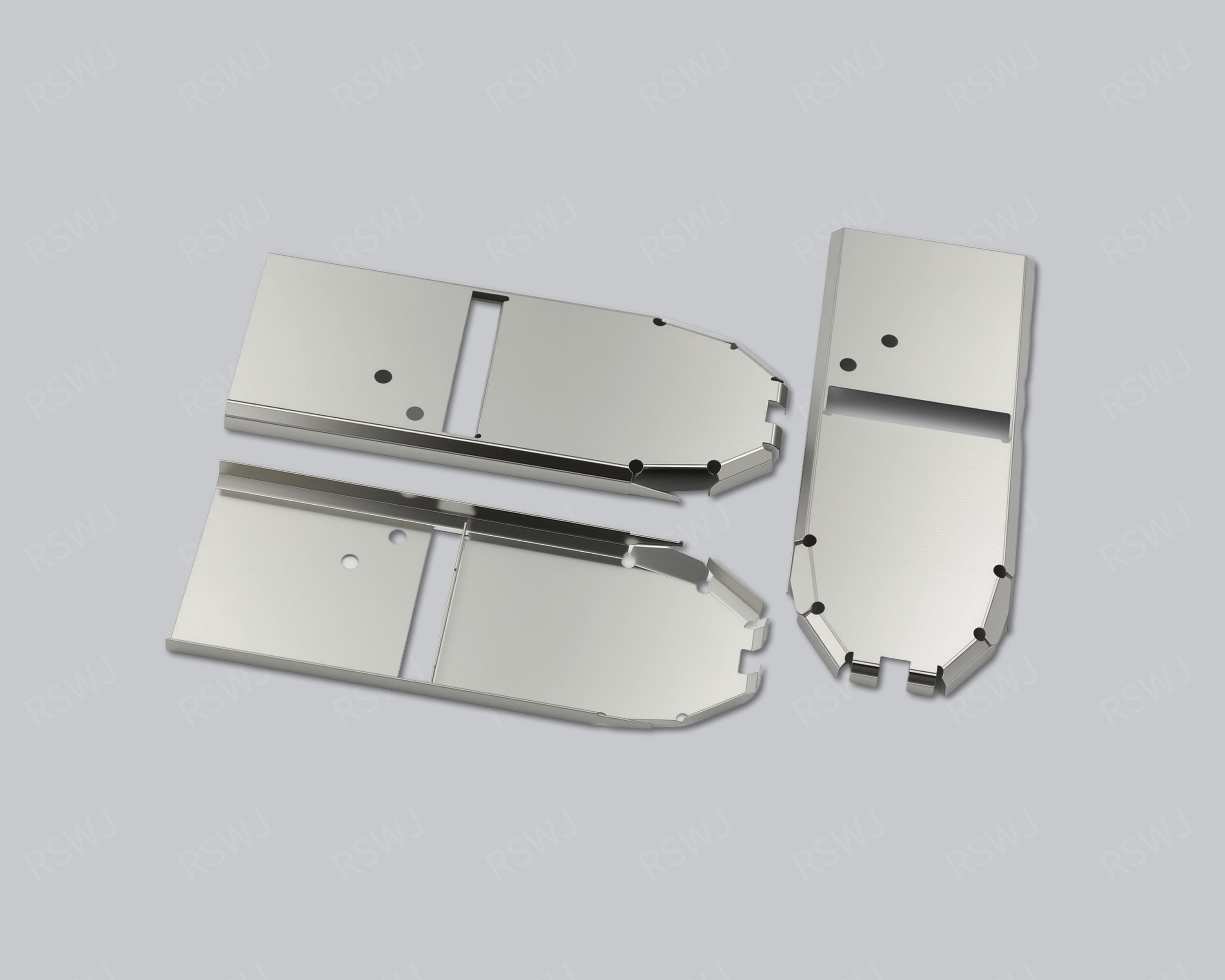
301 Stainless Steel Shielding Can
A 301 stainless steel shielding can starts with a specified alloy grade and a separately defined material state.
Explore the product & design →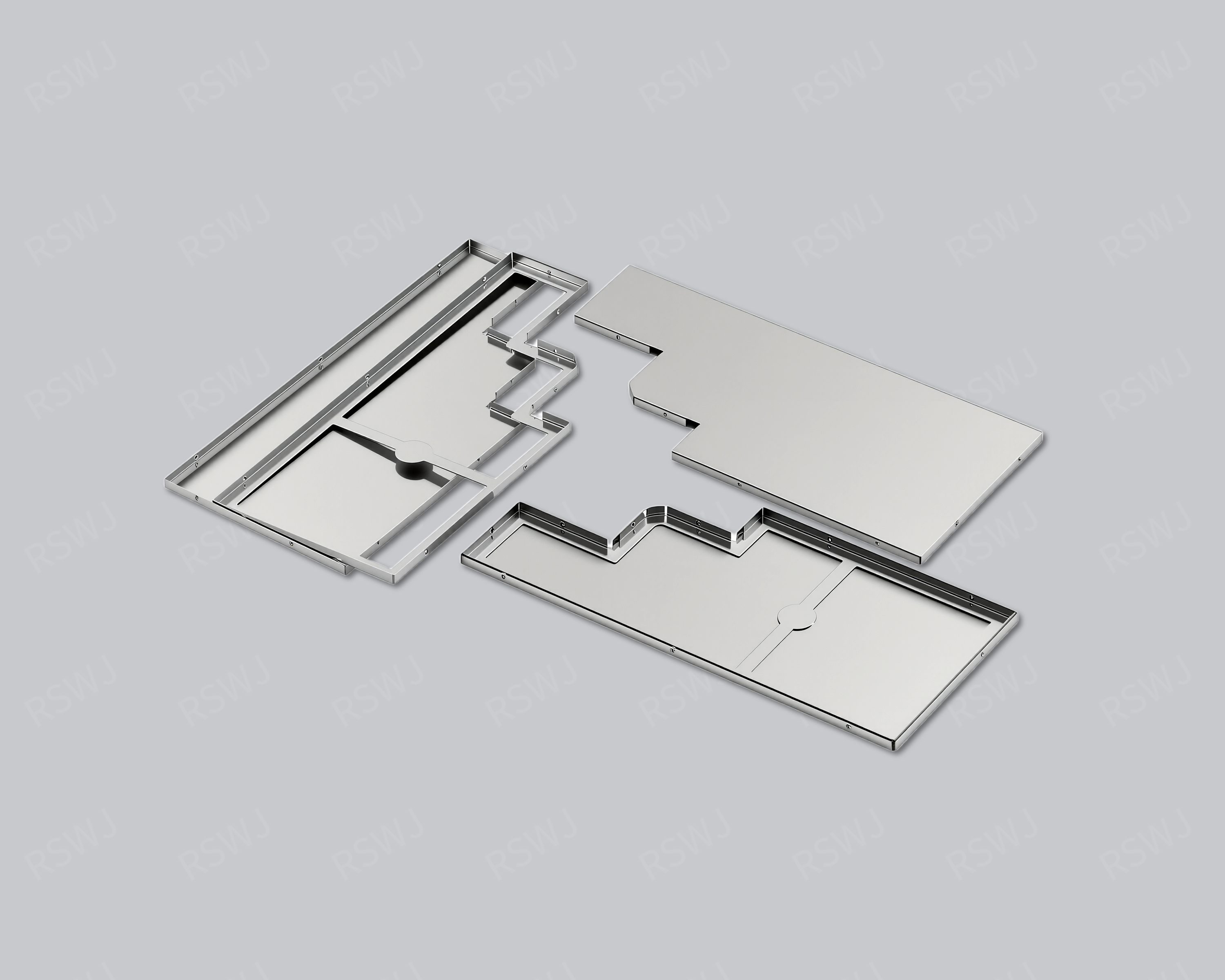
Stainless Steel Shielding Can
A stainless steel shielding can requires a specific grade, supply condition and joining arrangement.
Explore the product & design →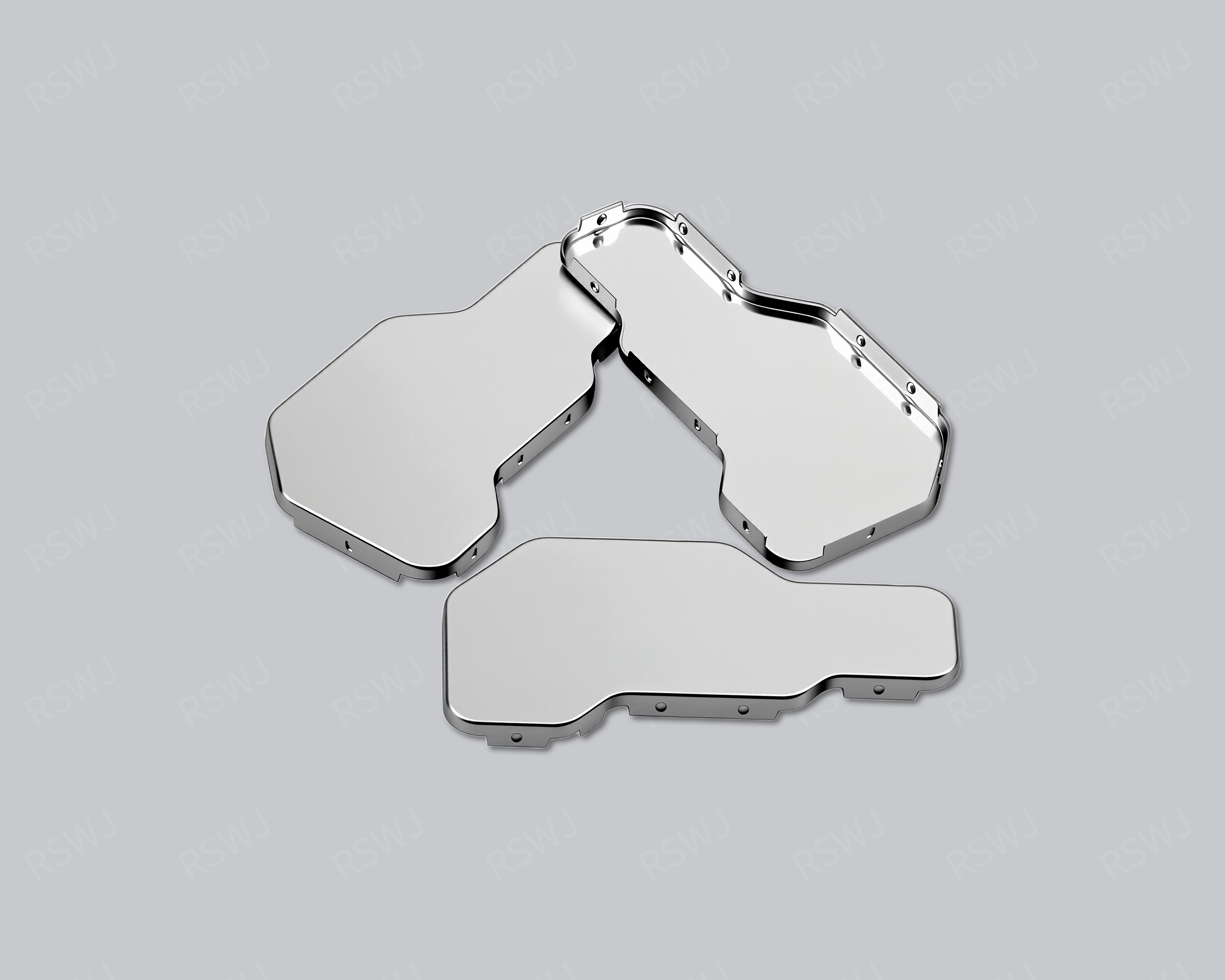
Permalloy Shielding Cover
A permalloy cover addresses a defined magnetic-field problem with an agreed alloy and treatment condition.
Explore the product & design →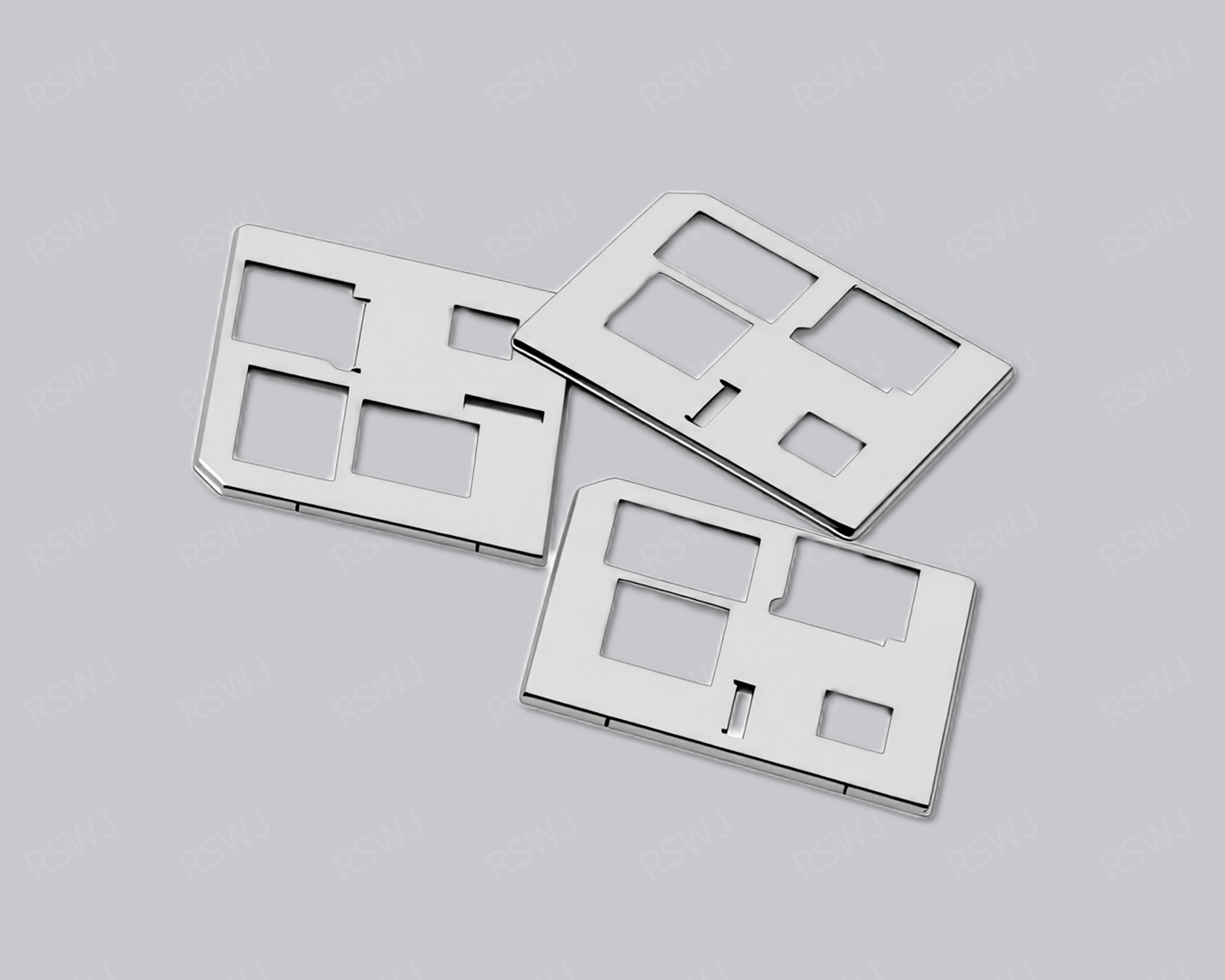
Nickel Silver Shielding Can
A nickel silver shield uses a copper-nickel-zinc alloy direction, with the exact grade and condition defined for the project.
Explore the product & design →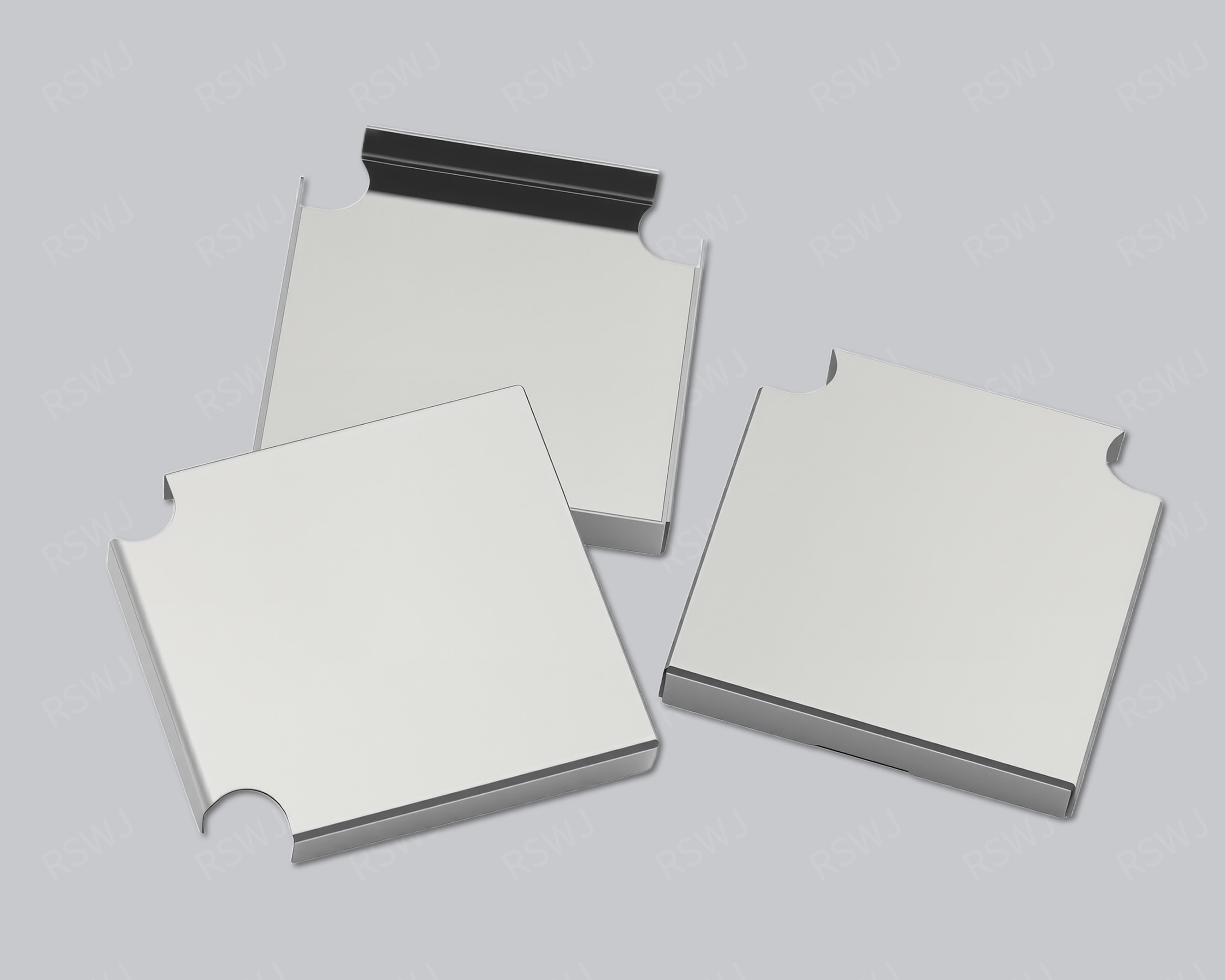
Custom Nickel Silver Shielding Can
A nickel silver shield uses a copper-nickel-zinc alloy direction, with the exact grade and condition defined for the project.
Explore the product & design →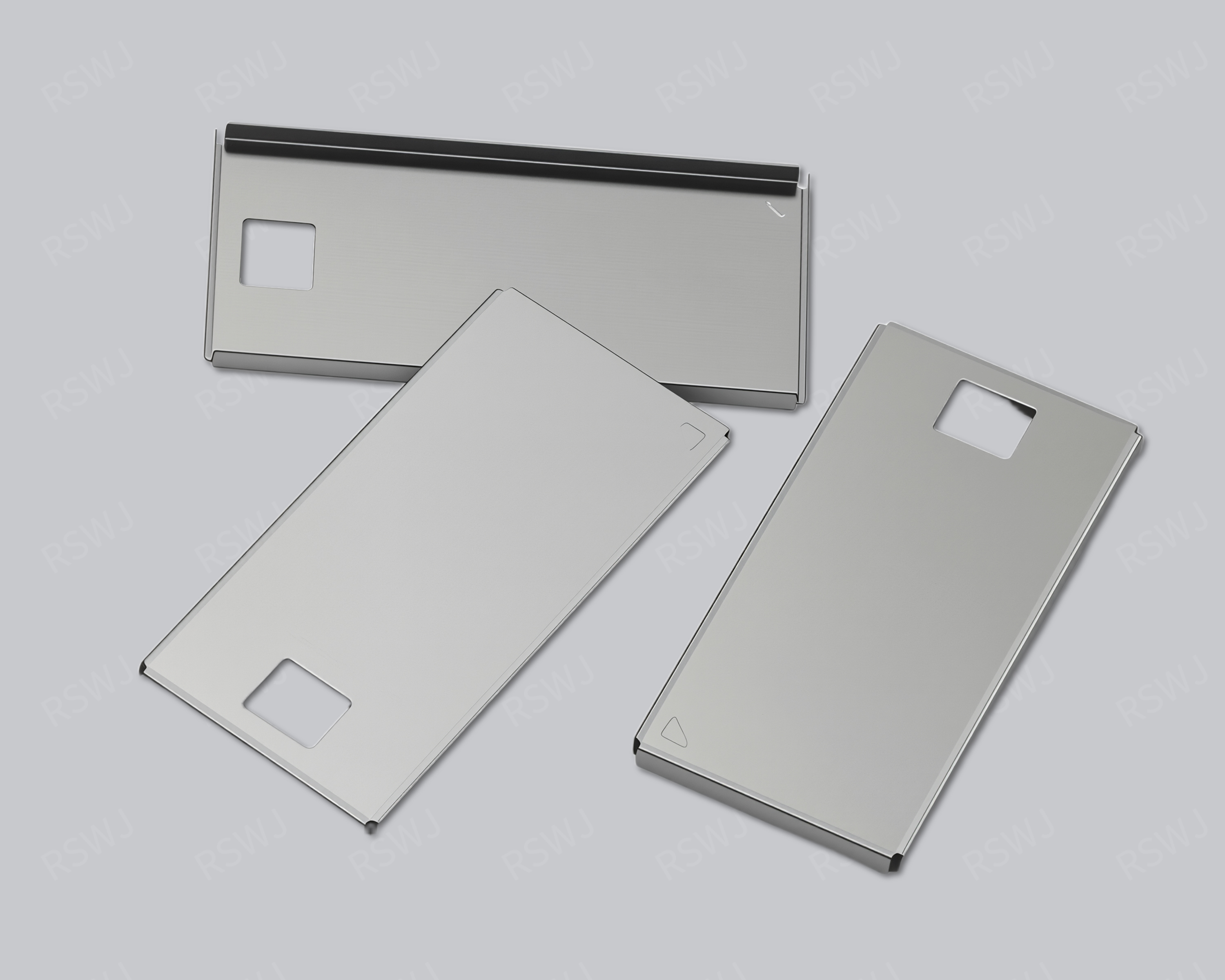
Nickel Silver Material Shielding Can
A nickel silver shield uses a copper-nickel-zinc alloy direction, with the exact grade and condition defined for the project.
Explore the product & design →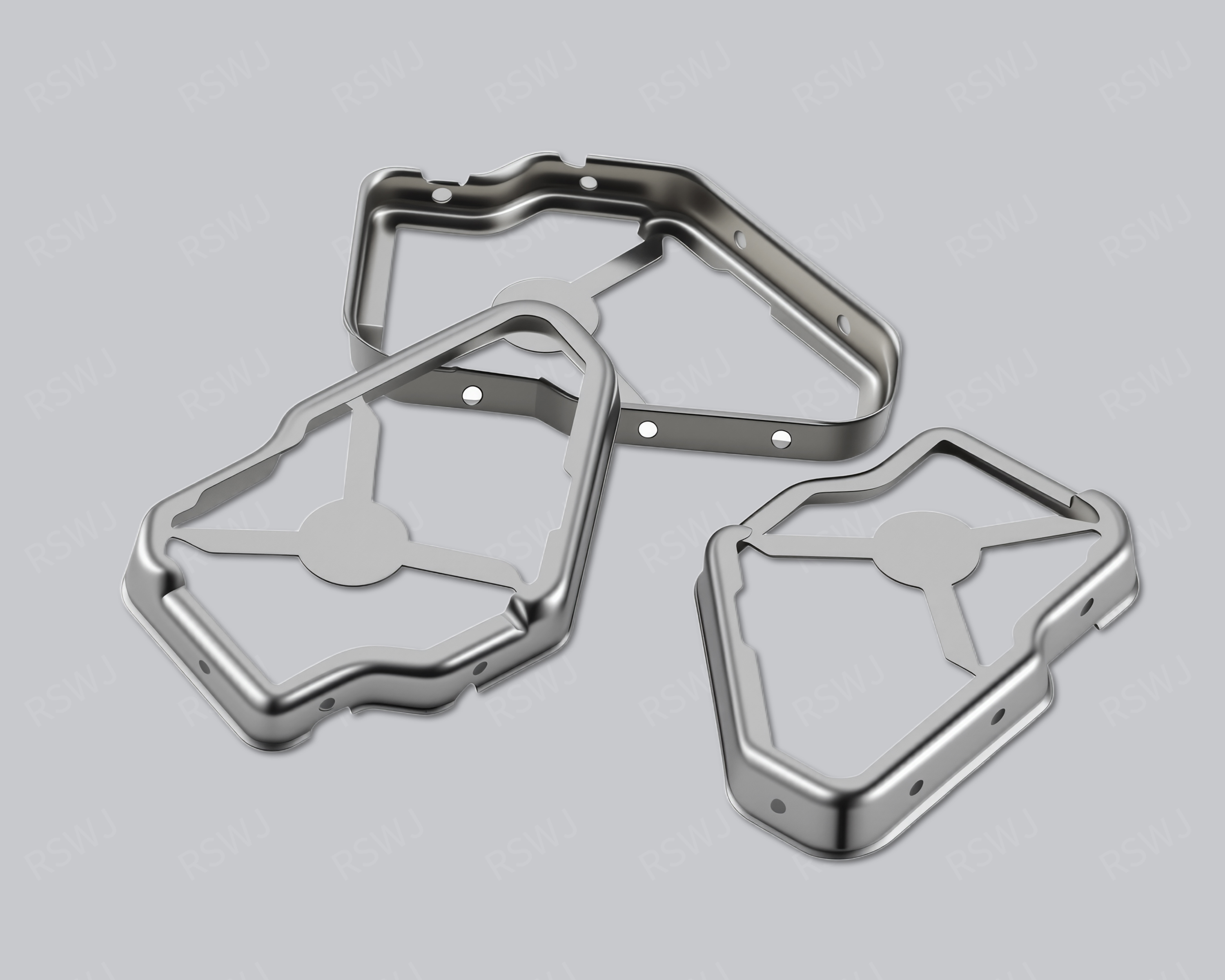
Copper-Nickel Alloy Shielding Can
A copper-nickel alloy shield needs an exact material definition rather than appearance-based selection.
Explore the product & design →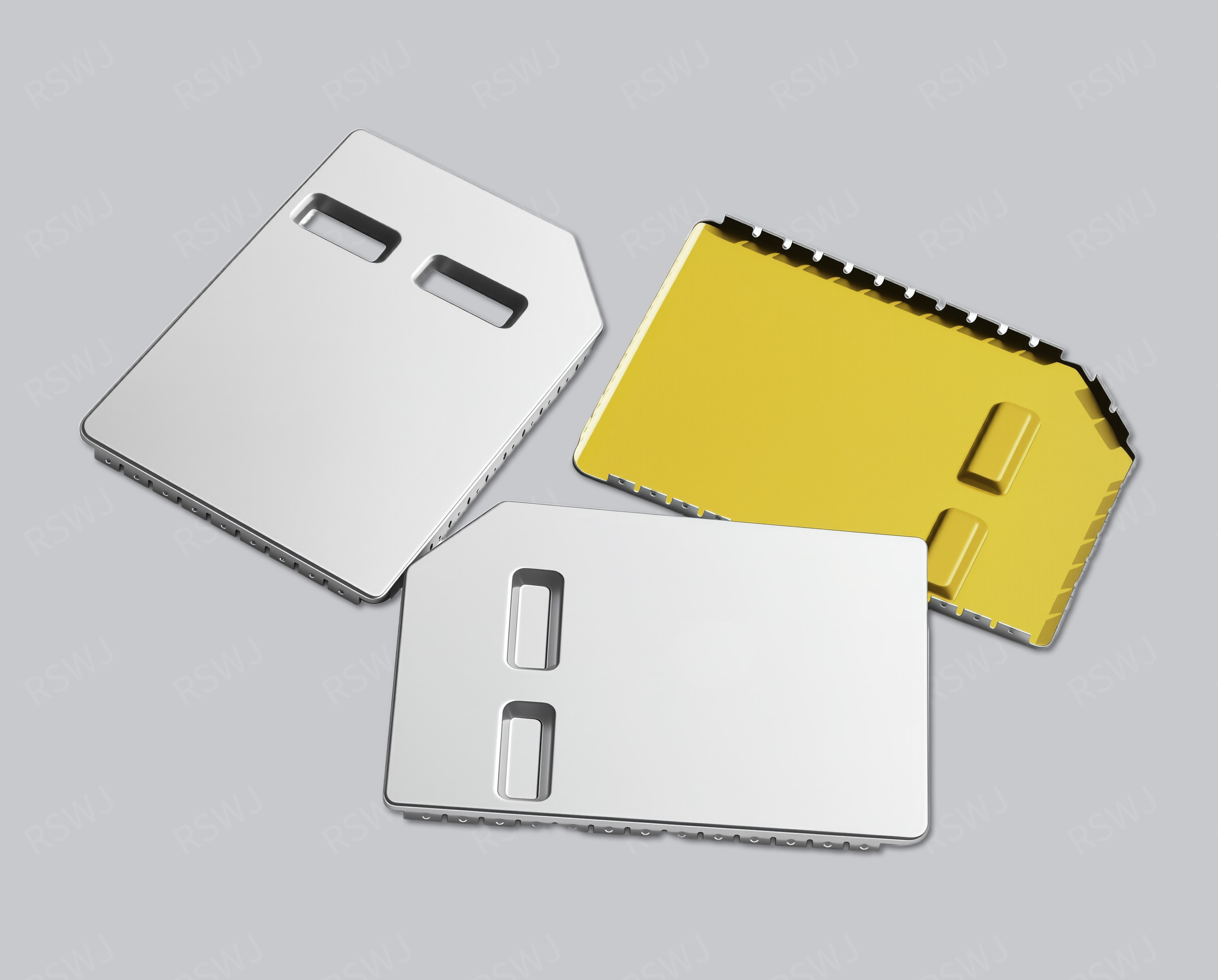
Aluminum Shielding Can
An aluminum shield connects a specified alloy and surface with the intended forming and attachment method.
Explore the product & design →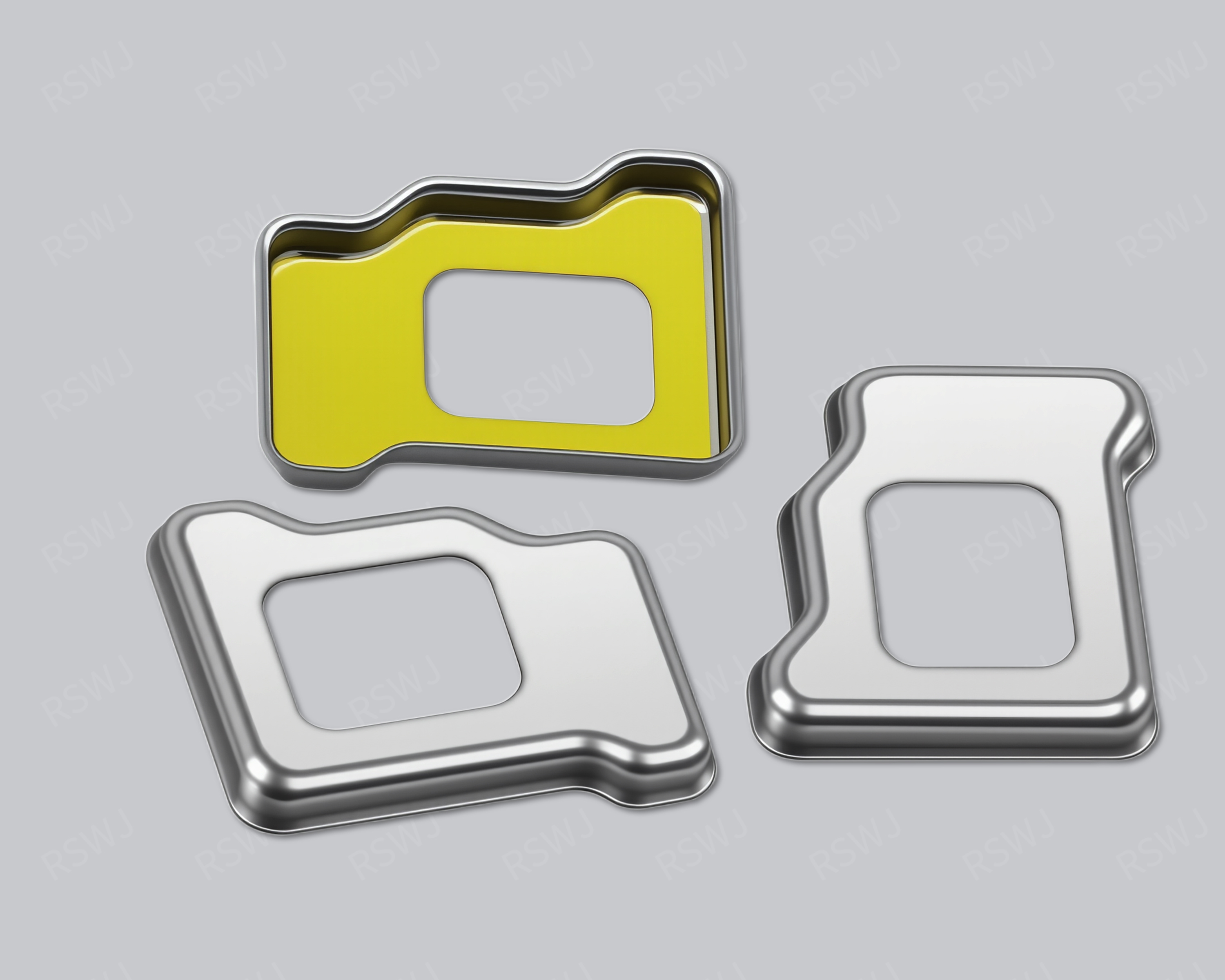
Zinc Material Shielding Cover
A zinc material cover first requires a clear definition of the material form and manufacturing route.
Explore the product & design →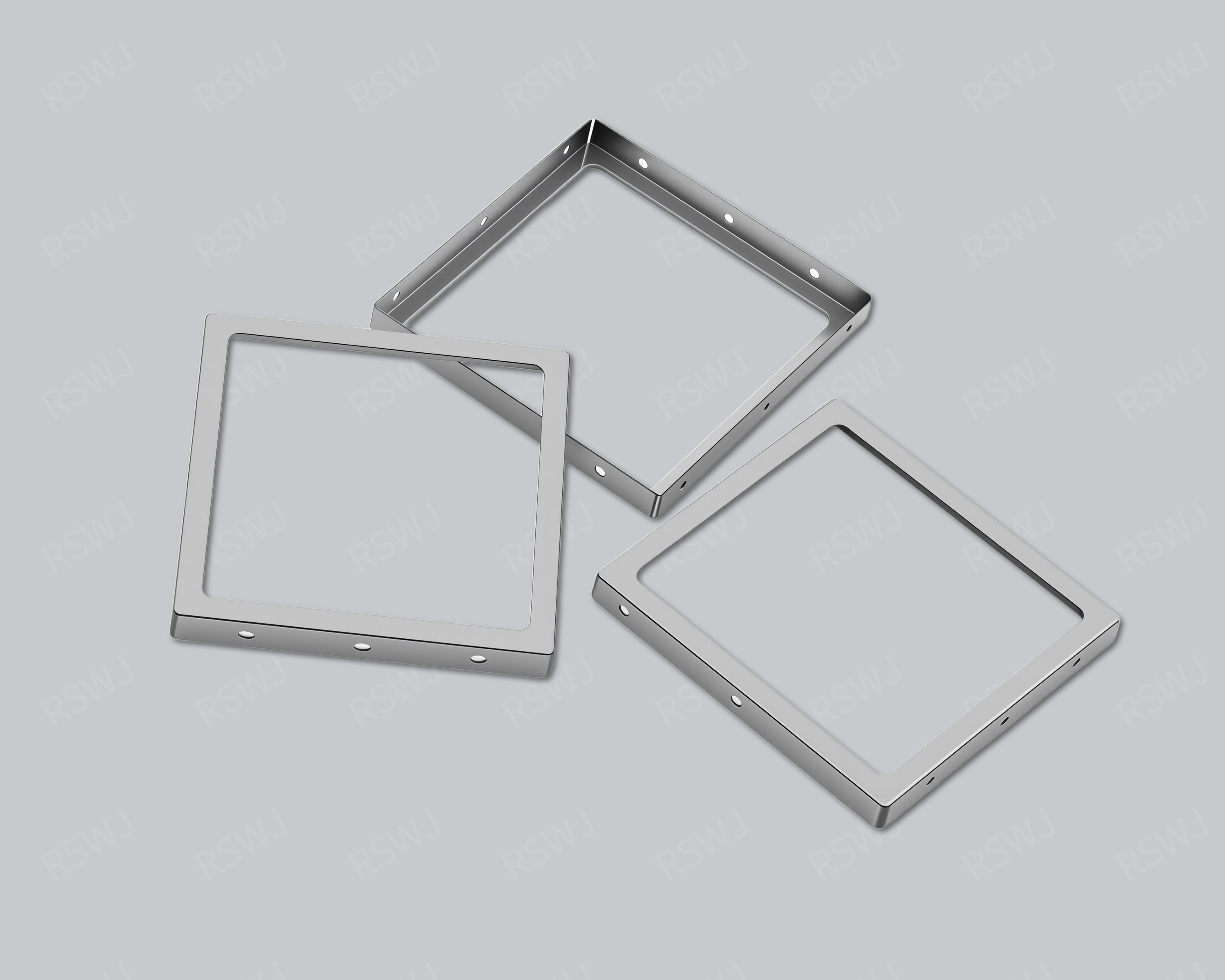
Copper-Nickel-Zinc Shielding Can
A nickel silver shield uses a copper-nickel-zinc alloy direction, with the exact grade and condition defined for the project.
Explore the product & design →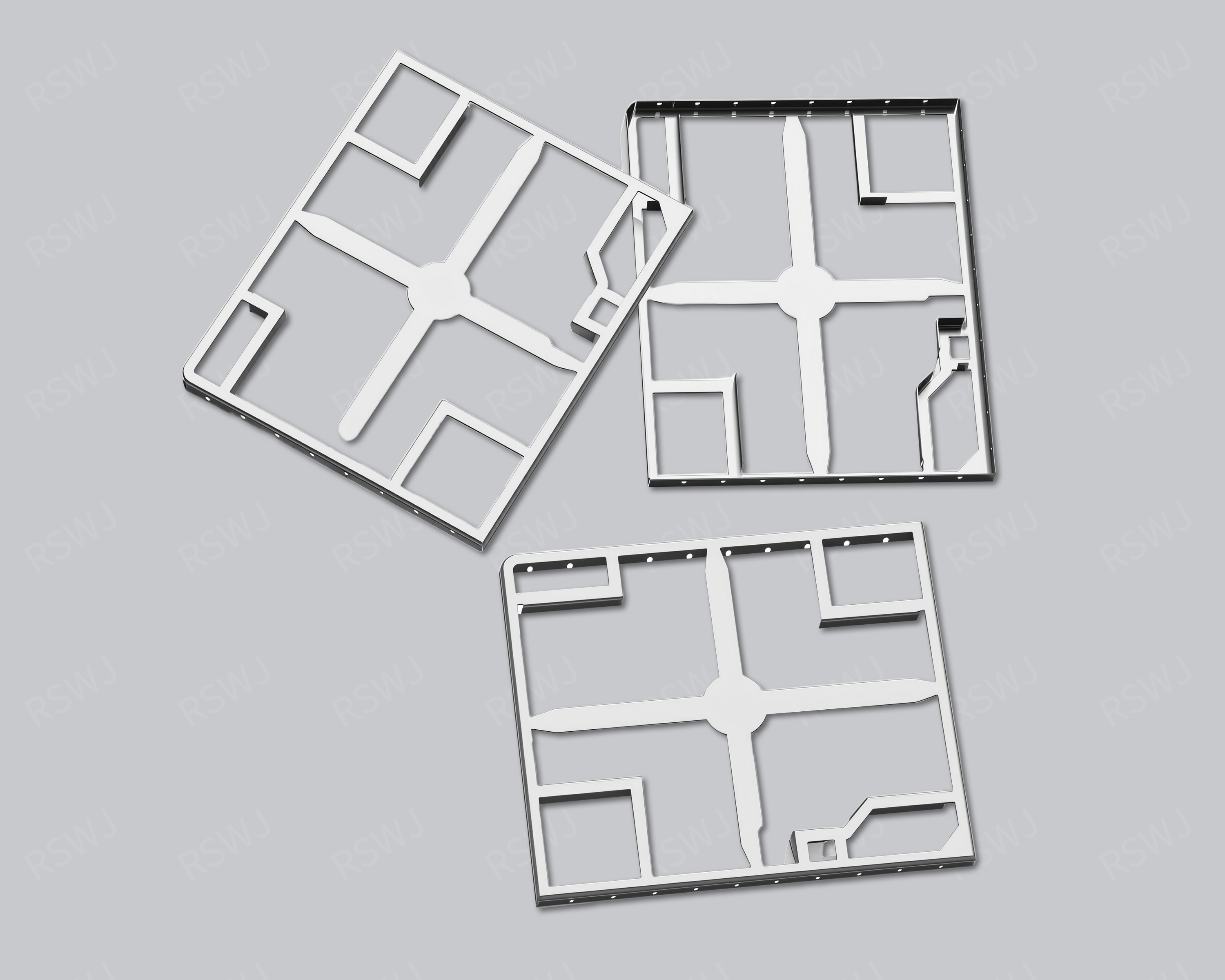
Tinplate EMI Shielding Can
A tinplate shield combines a steel substrate with a tin-coated surface in a formed component.
Explore the product & design →Specify an alloy, not only its appearance
Material names start a discussion but grade, supply condition, thickness and final surface complete the drawing input. Evaluate material changes against forming, joining and installed contact. The reference photograph does not certify the material or demonstrate a shielding result.
Define the sample before comparing it
Provide the drawing revision, material, mating components and required acceptance checks. Samples are chargeable. Reference planning is 3–5 days for standard samples, 48 hours for expedited sampling, and 7–10 days for tooling and sample production. These arrangements exclude mass-production delivery; the actual project scope and timing are reviewed separately.
Discuss the drawing package