
Shielding references for real design decisions
Compare closure, partitioning and access before selecting a one-piece, two-piece or removable shield.
12 product references shown
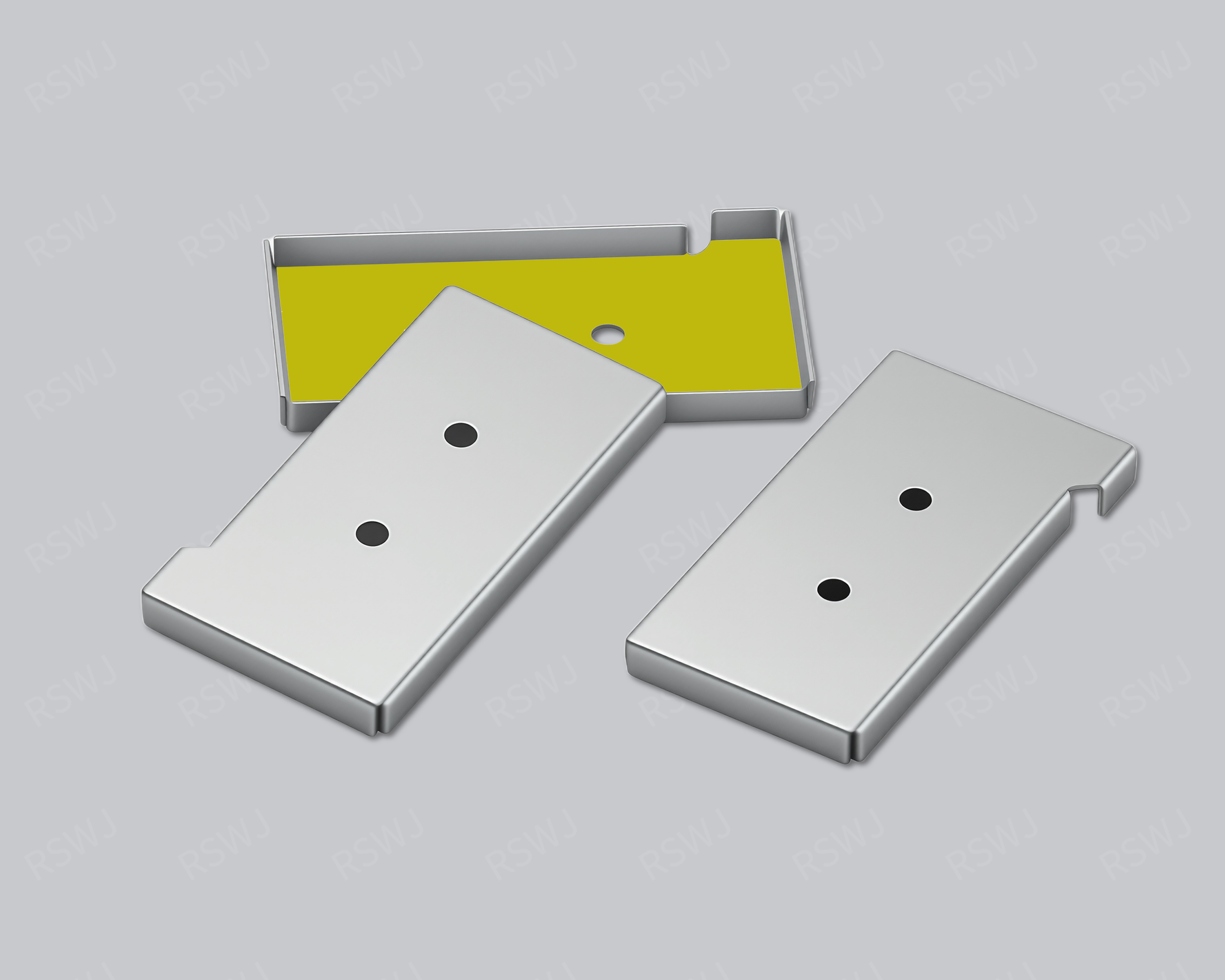
One-Piece Shielding Can
A one-piece shielding can combines the roof and sidewalls in one body for local PCB coverage.
Explore the product & design →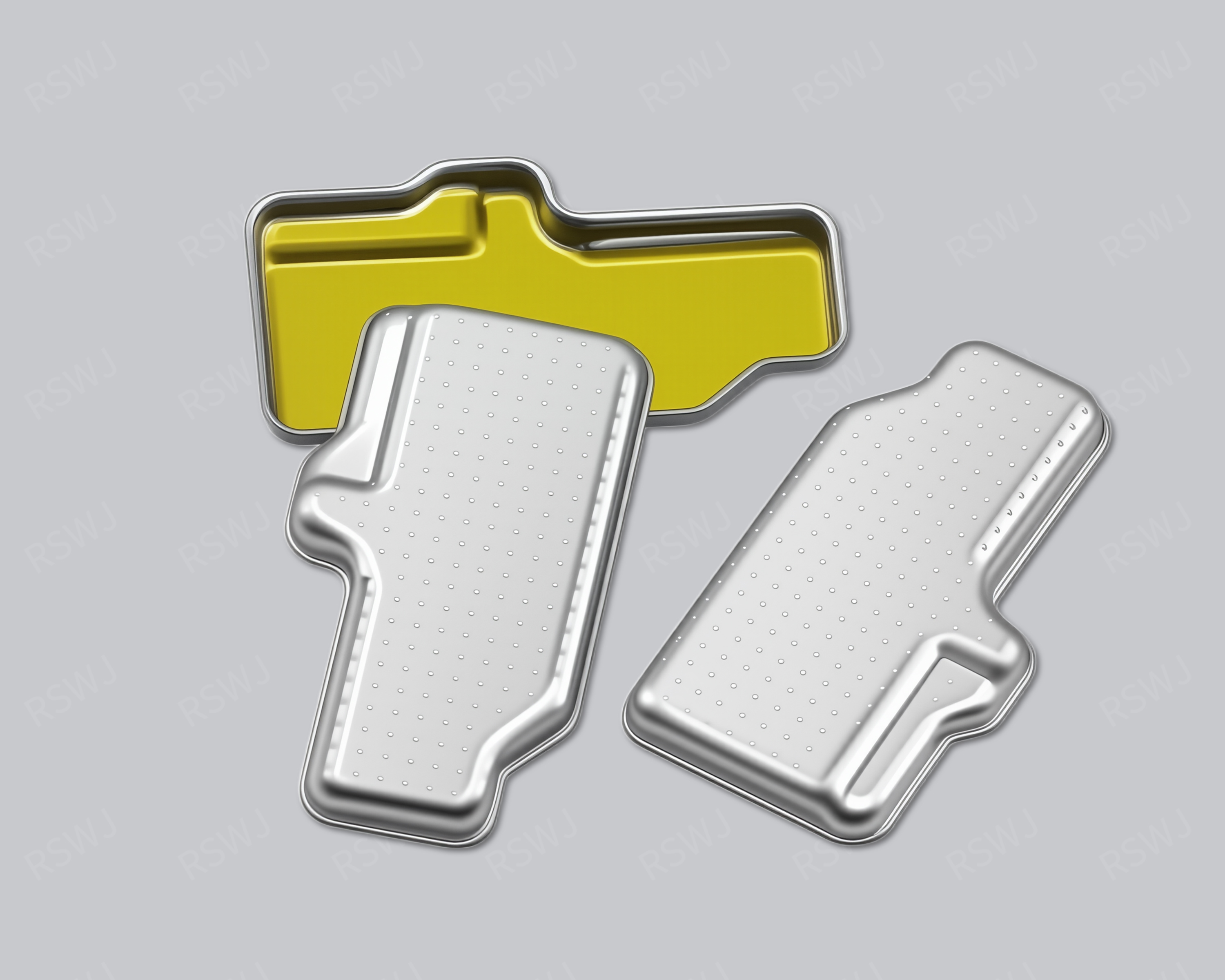
Custom One-Piece Shielding Can
A one-piece shielding can combines the roof and sidewalls in one body for local PCB coverage.
Explore the product & design →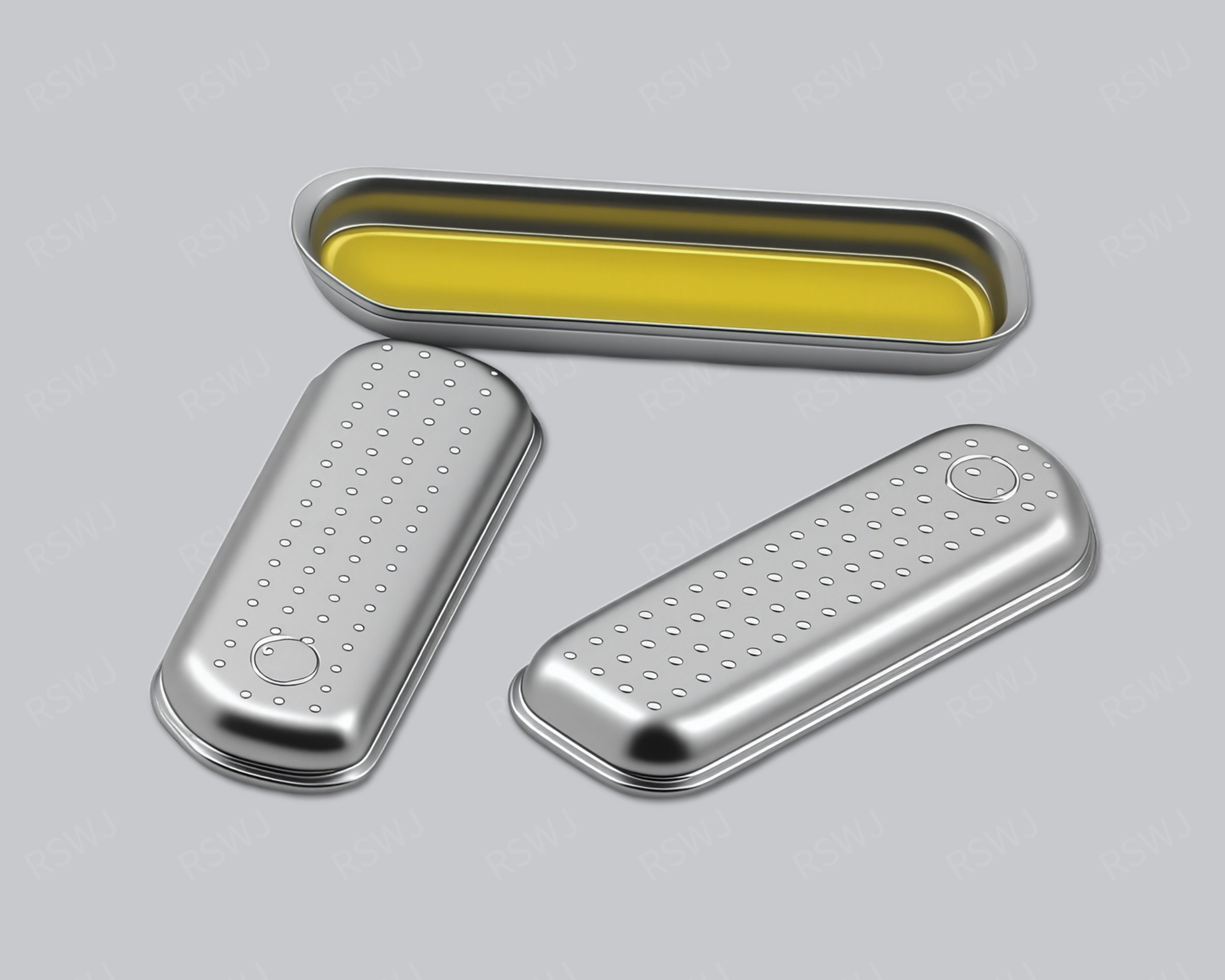
Single-Body Formed Shielding Can
A one-piece shielding can combines the roof and sidewalls in one body for local PCB coverage.
Explore the product & design →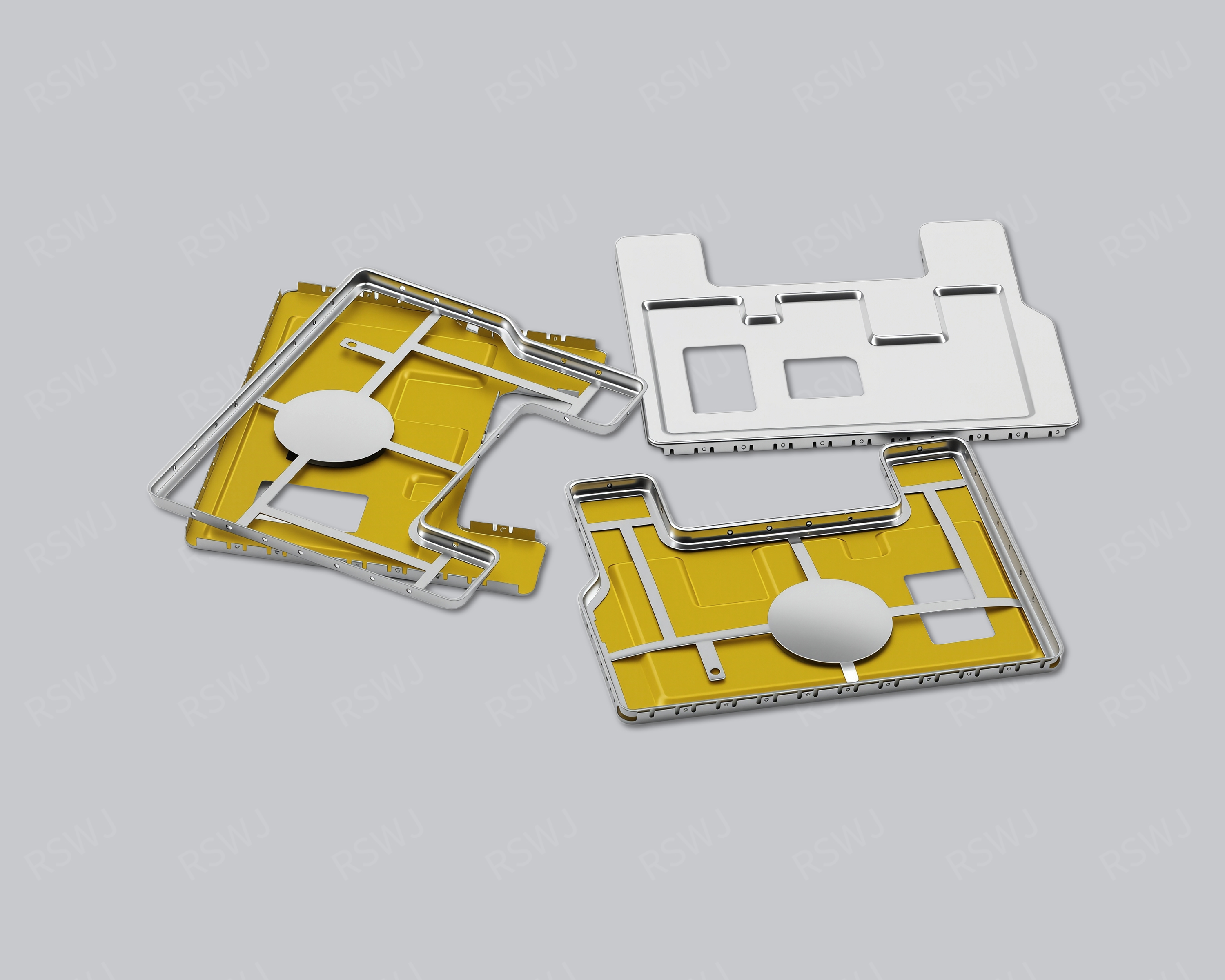
Two-Piece Shielding Can
A two-piece shield pairs a board-mounted frame with a separate cover, retaining access to the enclosed circuit.
Explore the product & design →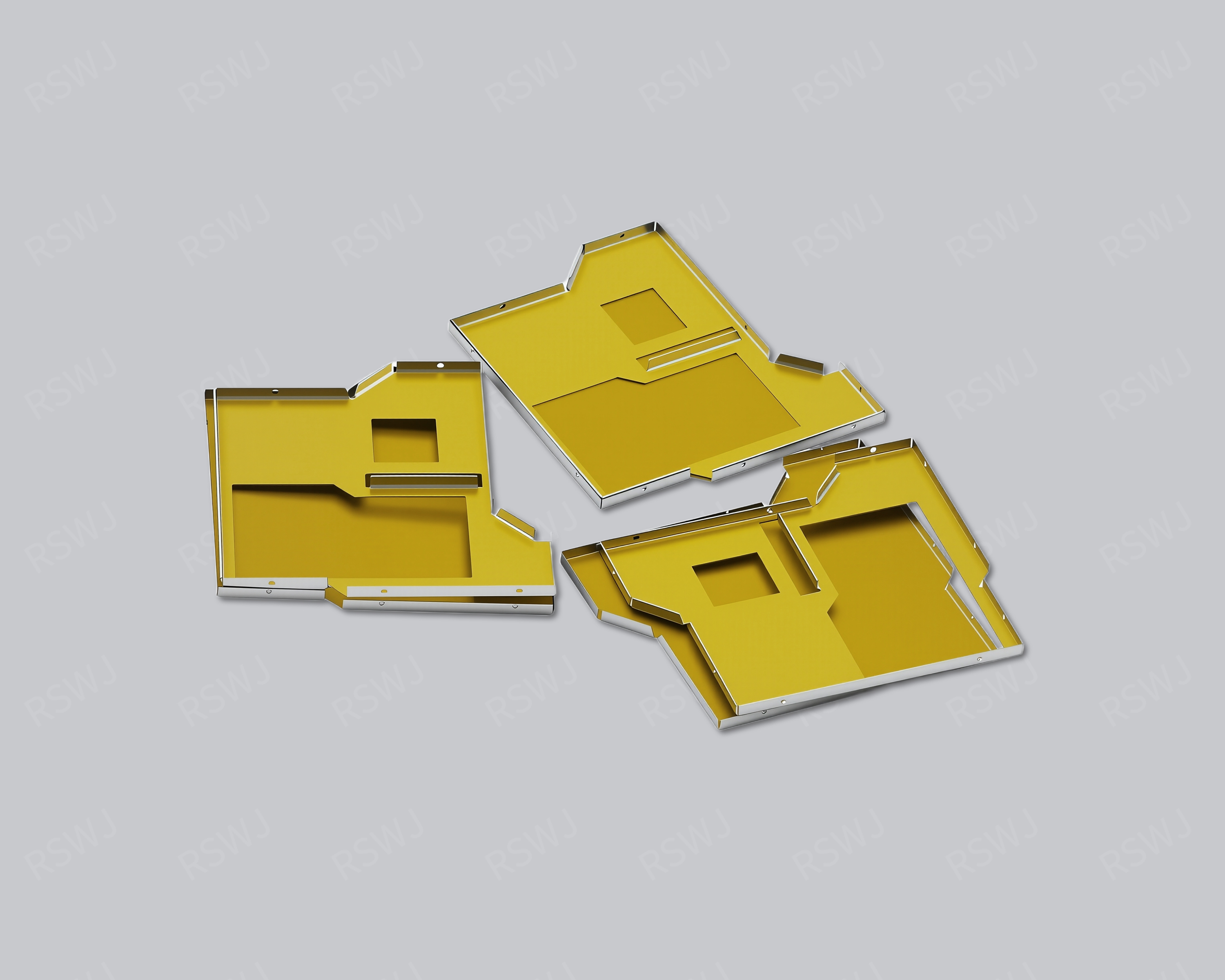
Shielding Frame and Cover Set
A two-piece shield pairs a board-mounted frame with a separate cover, retaining access to the enclosed circuit.
Explore the product & design →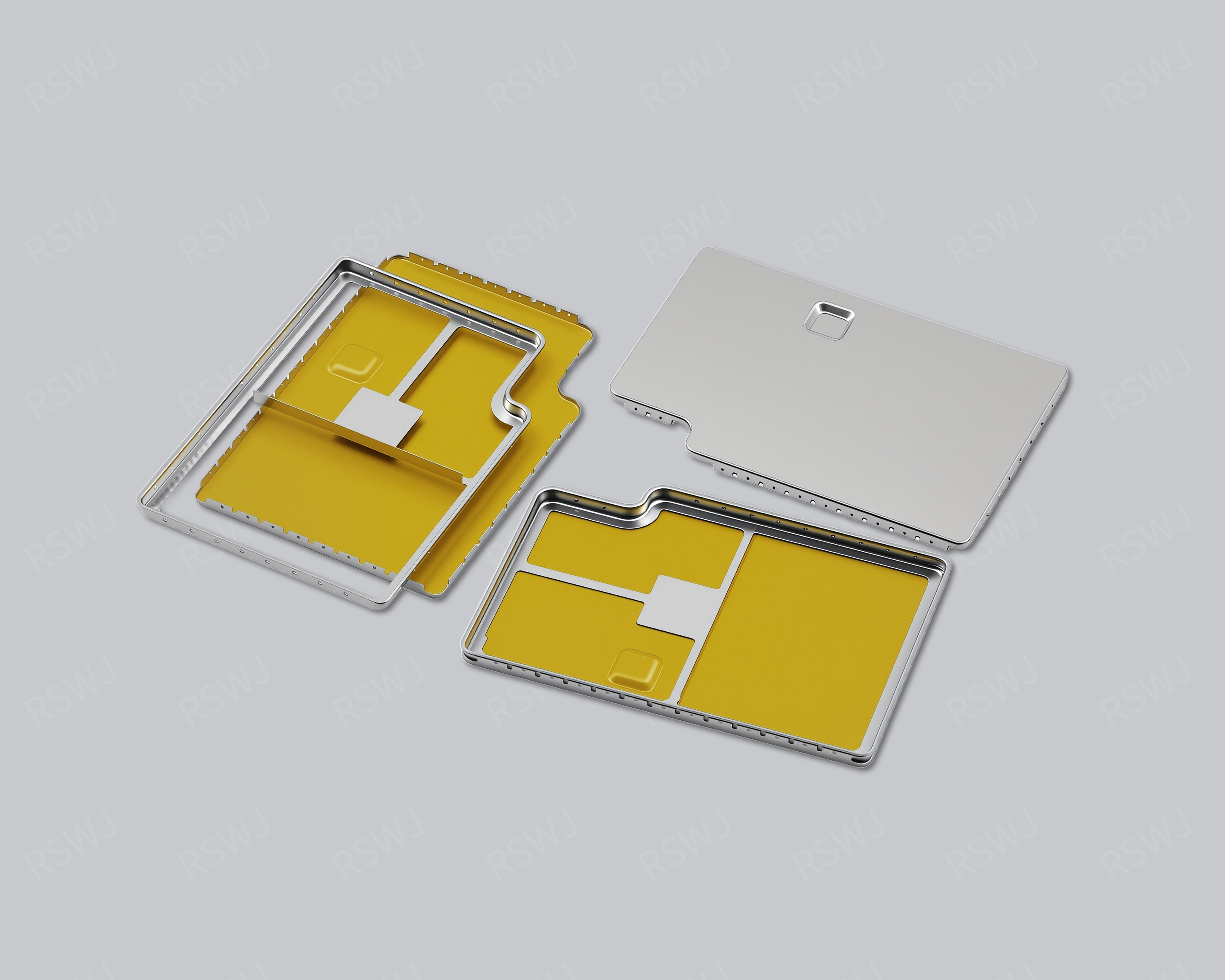
Separate Frame and Lid Shielding Can
A two-piece shield pairs a board-mounted frame with a separate cover, retaining access to the enclosed circuit.
Explore the product & design →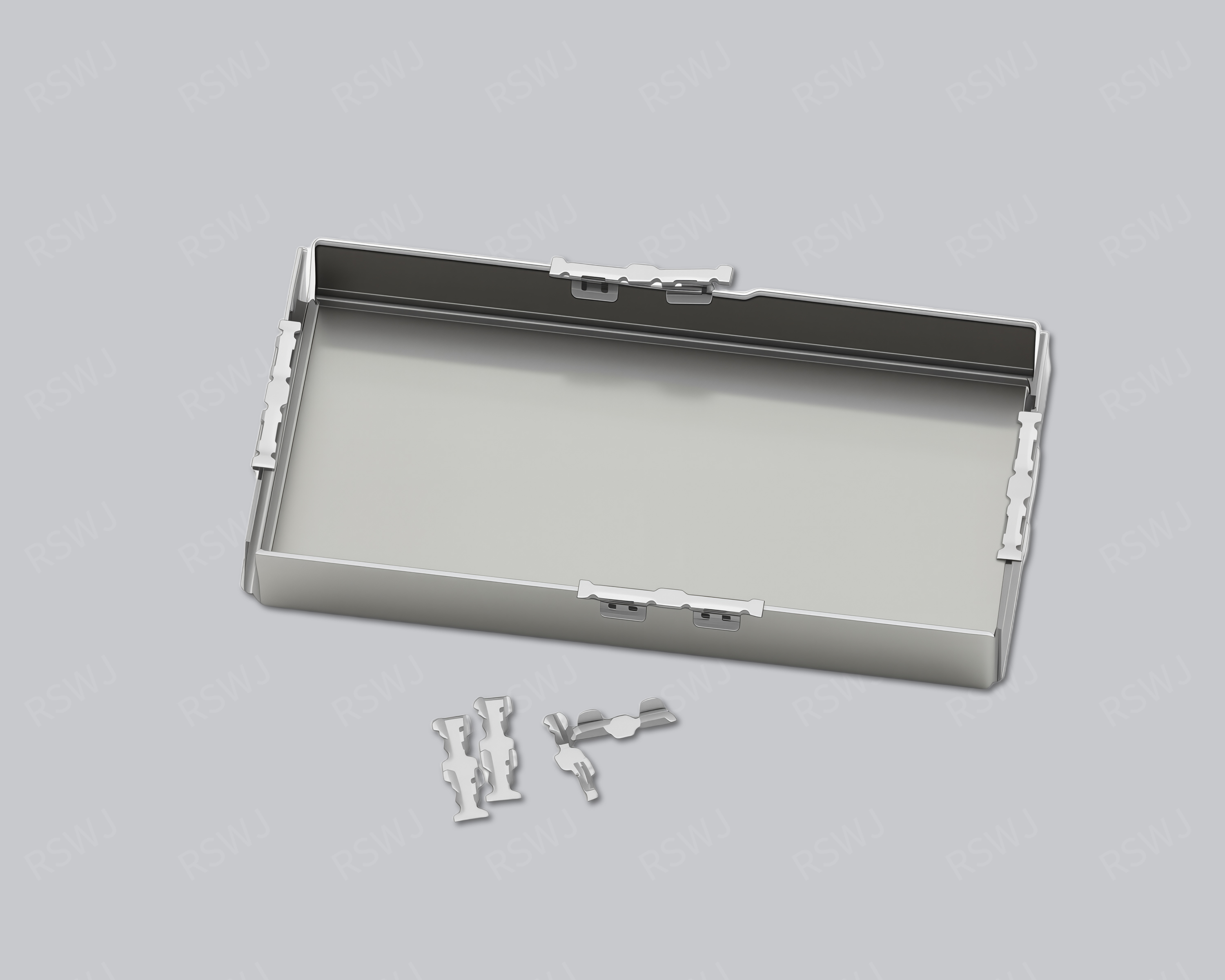
Snap-Fit Shielding Can
A snap-fit shield uses mating features to retain its cover in a defined working position.
Explore the product & design →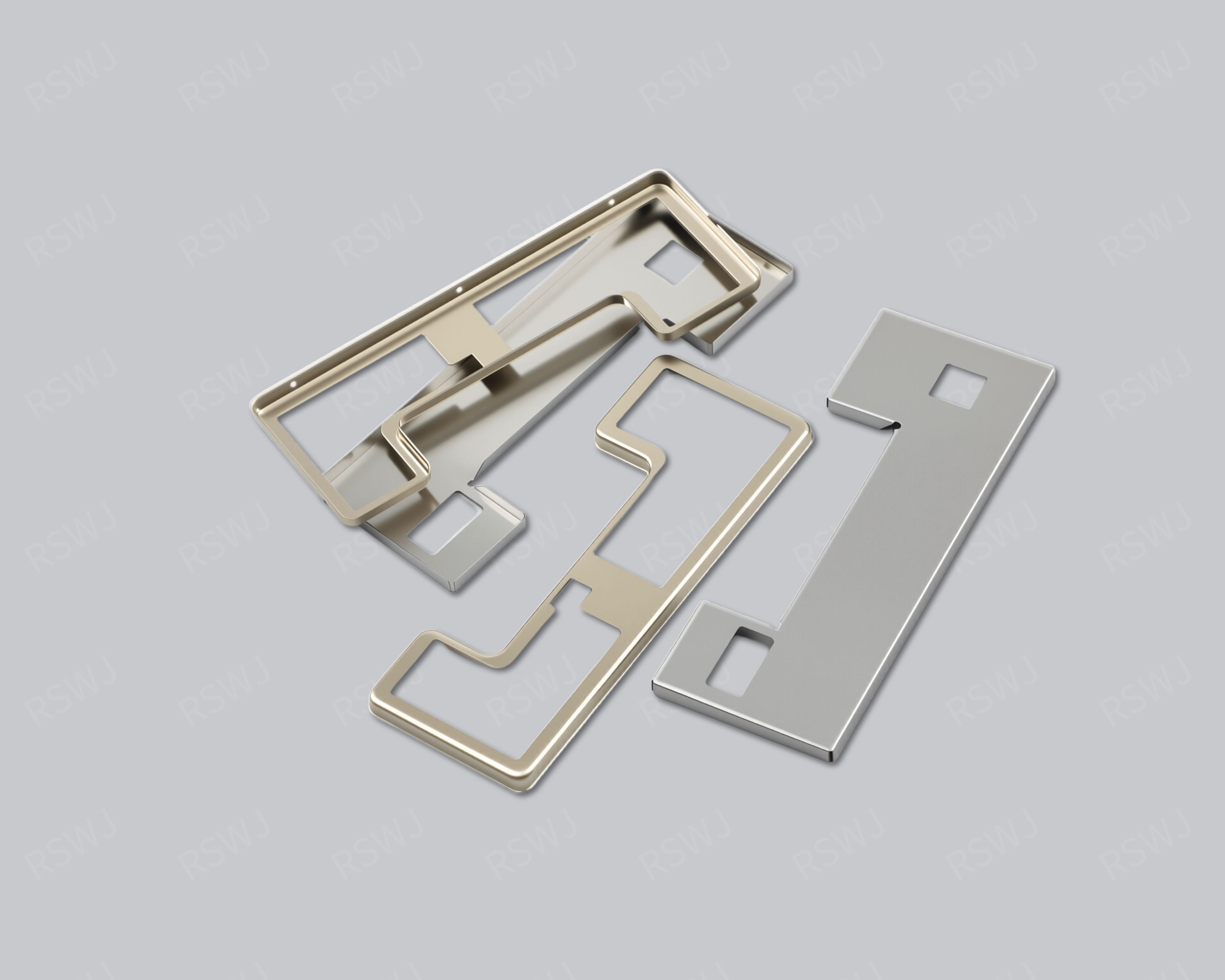
Removable Shielding Can
A removable shield provides circuit access while preserving a defined method of restoring closure.
Explore the product & design →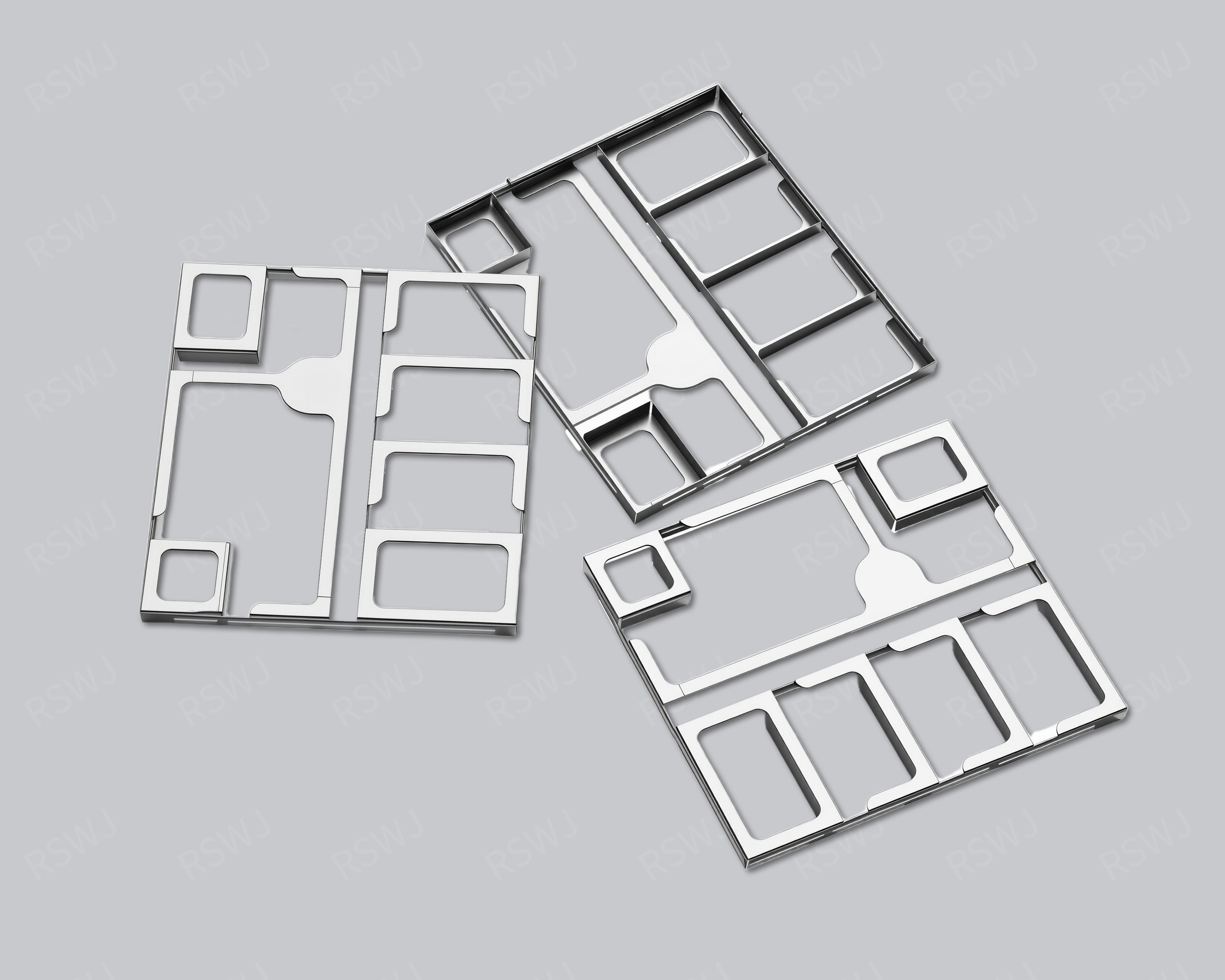
Multi-Cavity Shielding Can
A multi-cavity shield organizes several circuit regions with internal partitions and a shared outer boundary.
Explore the product & design →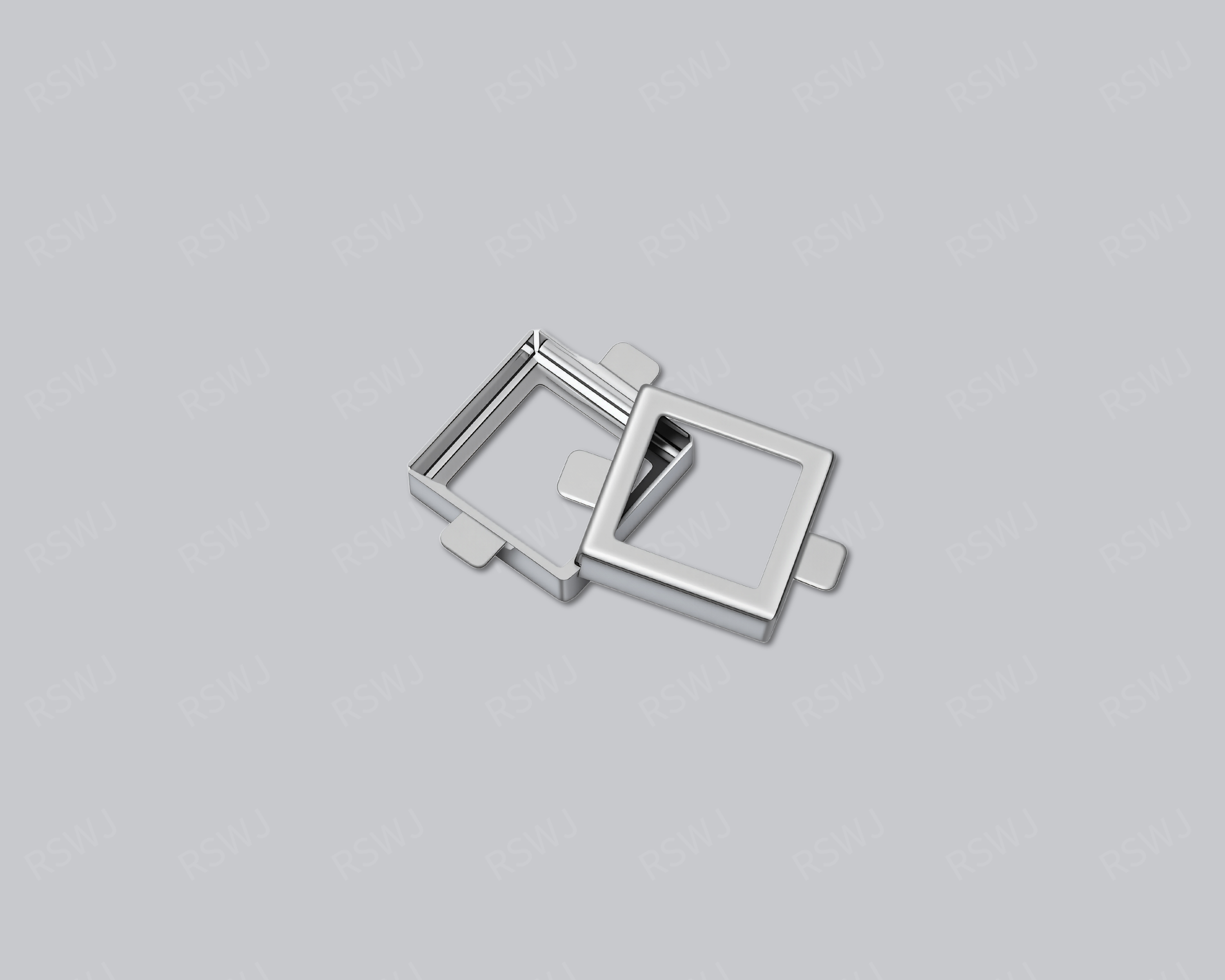
Miniature Shielding Can
A miniature shield concentrates coverage and installation within a restricted board area.
Explore the product & design →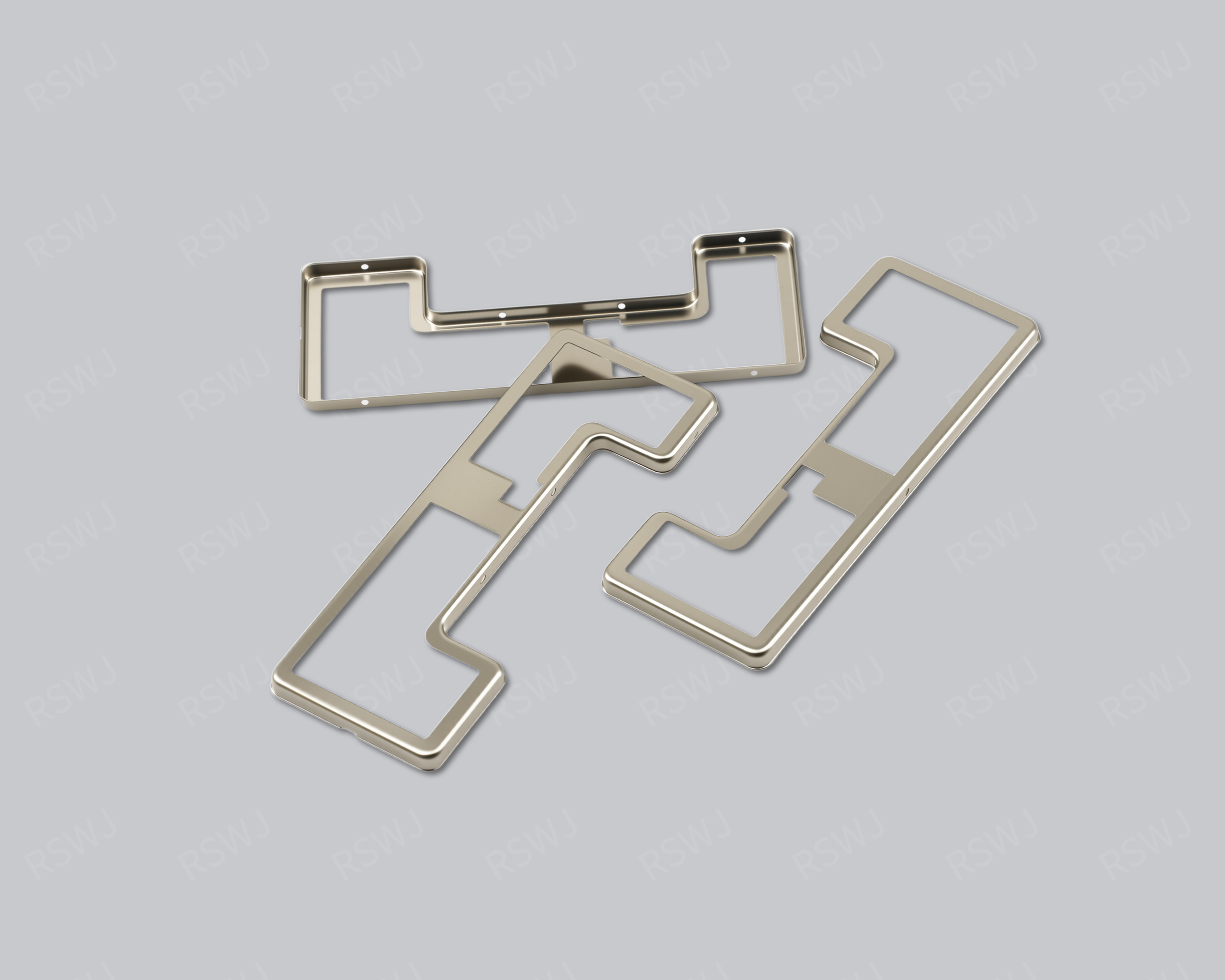
Frame-Based Shielding Can
A shielding frame connects a PCB attachment perimeter with the mating edge of a lid or other closure.
Explore the product & design →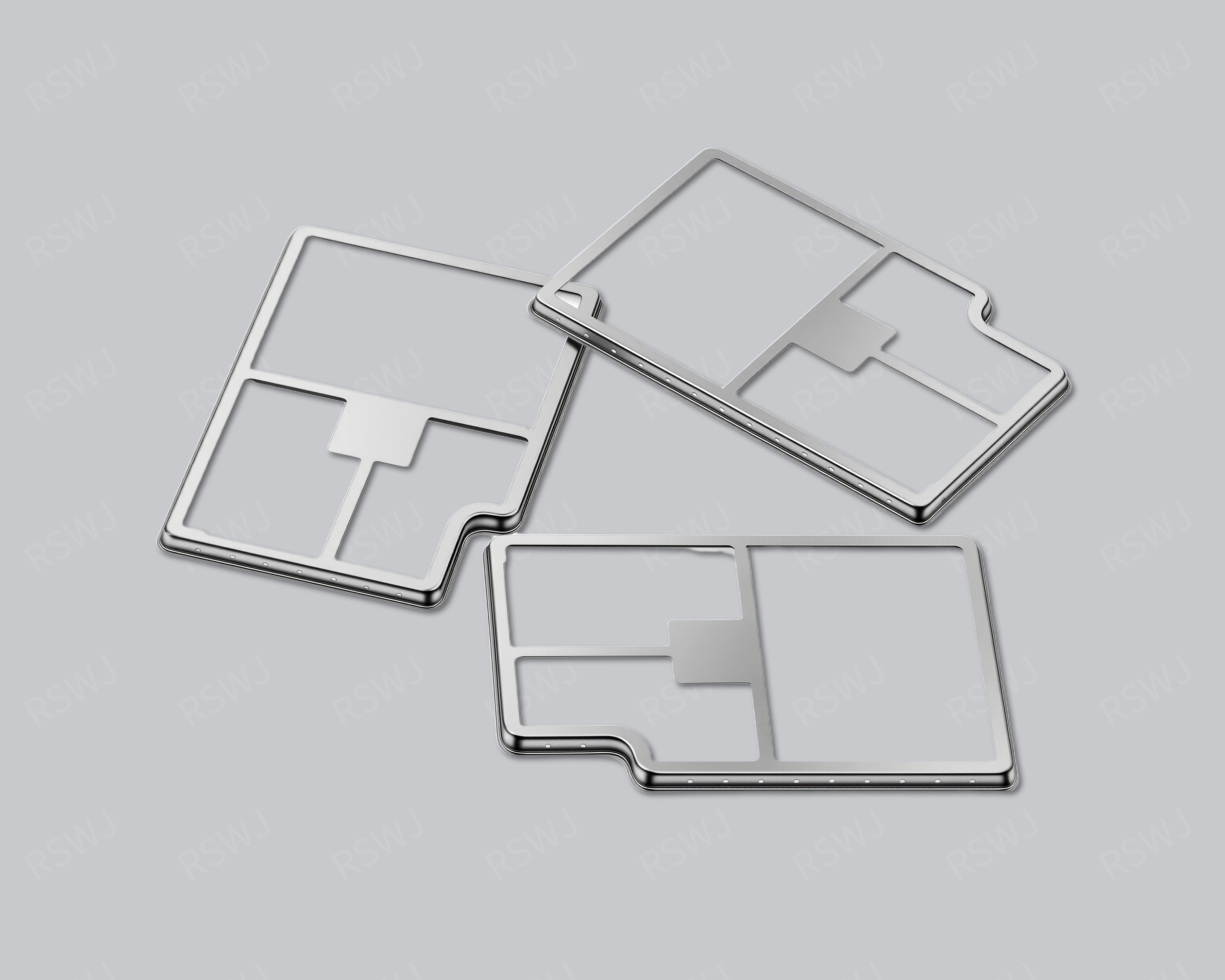
Low-Profile Shielding Can
A low-profile shield addresses a height-limited assembly without treating shield height as sheet thickness.
Explore the product & design →Choose the closure around the assembly task
One-piece bodies, matched frame-and-cover sets and removable structures have different installation and access relationships. Start with the protected region and the operations required before and after closure. Compare the same board and surrounding parts rather than only the number of components.
Define the sample before comparing it
Provide the drawing revision, material, mating components and required acceptance checks. Samples are chargeable. Reference planning is 3–5 days for standard samples, 48 hours for expedited sampling, and 7–10 days for tooling and sample production. These arrangements exclude mass-production delivery; the actual project scope and timing are reviewed separately.
Discuss the drawing package