
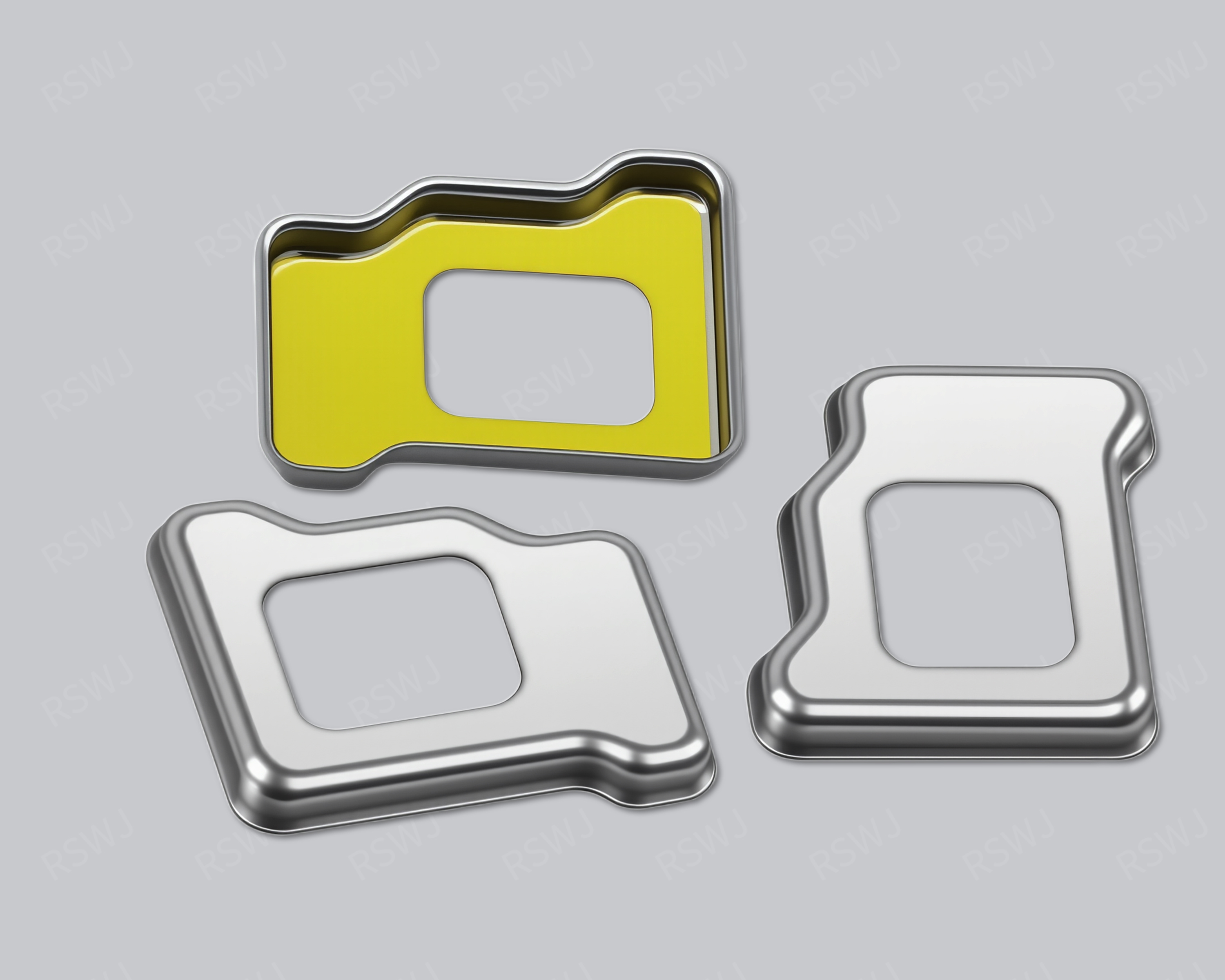
Reference photograph. Material, dimensions and mating requirements are defined in the agreed project drawings.
Resolve zinc form before deciding the route
A zinc material cover first requires a clear definition of the material form and manufacturing route.
| Design focus | Material form, section geometry, process route and final mating surfaces |
|---|---|
| Project task | Resolve zinc form before deciding the route |
| Custom inputs | Current drawings, mating parts, material and final surface, quantity and acceptance requirements. |
Resolve zinc form before deciding the route
Zinc, zinc alloy and zinc-coated steel describe different inputs. Resolve that distinction before treating a surface requirement as a bulk material.
Clarify whether the project calls for zinc, a zinc alloy or zinc-coated steel. Those descriptions imply different material or surface inputs and should not be collapsed into one generic manufacturing assumption. Review the actual section and corner geometry with the confirmed material. Define later treatment, contact and final fit in the drawing package. A sample comparison becomes useful only when the material form and process state are identifiable alongside the cover shape.
Engineering considerations for this project
Resolve the zinc description before choosing a process
A zinc-material cover requires a clear distinction between the substrate or alloy specified by the customer and any zinc-containing treatment on another substrate. These descriptions are different manufacturing inputs and should not be collapsed into one broad material label. Confirm the intended designation and supply form with the drawing package. If an old reference or supplier description is ambiguous, identify that question before defining the production part. This gives the manufacturer a meaningful basis for reviewing the geometry and avoids selecting a process from a material word whose actual role in the component has not been established.
Once the material input is confirmed, review the required section, walls, transitions and attachment features in the finished geometry. Identify which surfaces locate the cover and which merely establish clearance. The appropriate route depends on that specified material and form; the product name does not establish that the part is stamped, cast or made by another method. Discuss any proposed route as a defined alternative, keeping the customer’s fixed mating features recognizable. This allows engineering to assess a manufacturing proposal without silently changing the supplied component from one material form or structural concept to another.
Define the final mating and surface conditions
State the customer’s final-surface requirement independently from the basic zinc description. Locate any region used for attachment, conductive contact, controlled insulation or a specified appearance condition. A similar-looking metal sample can carry a different substrate or treatment, so visual comparison alone cannot establish the intended material specification. Identify how the finished part is to be checked and what material or processing information the customer requires with it. The manufacturer can then review the supplied component against a defined final condition rather than assuming that a color or general family name describes every functional surface.
Use the actual mating references for sample assessment. Inspect the cover’s working position, closure or attachment operation and the regions whose final surface participates in the interface. If a later process changes the condition used to accept the part, evaluate the sample after that process as well as any intermediate inspection required for manufacturing control. Keep those states distinguishable in the record. A measurement on an intermediate part may be useful, but it should not stand in for a final mating check when the customer’s accepted component is defined through a different surface or operation sequence.
Treat material-form alternatives as explicit development options
If development compares a different zinc alloy, substrate or treatment concept, explain what is being changed and why. Retain the geometry and partner references where a material comparison is intended, and label any required structural adjustment separately. The customer can then judge whether the proposal meets the actual attachment, surface and supply requirements. An alternative process may be worth reviewing, but it should not be presented as an equivalent component solely because its outline is similar. This makes the decision traceable and reduces the chance that procurement orders a broadly named material while expecting a more specific finished-part concept.
An inquiry should include the confirmed material designation and form, the finished section and interface drawing, the final-surface scope and the agreed sample checks. State any permitted alternatives and identify who approves them before use. Where a physical reference is supplied, mark which features and material information govern the new part and which remain open. These inputs support a controlled discussion of the zinc-material cover without inferring a process capability, composition or performance result from the photograph. They also make later material or treatment changes reviewable against a known component definition and the customer’s actual mating arrangement.
Boundary, clearance and mating design
Review section geometry and attachment with the material record. A sheet-formed design and another forming route need different manufacturing and inspection questions.
A material comparison is most useful when the geometry and installed interfaces are identified. Mark where the shield lands, where it closes and where signals or connectors cross the boundary. The intended circuit region and operating context remain important even when the search began with an alloy name. A different material is not a substitute for an undefined attachment or opening. Keep those relationships fixed, or explicitly identify them as changes, when evaluating alternatives.
Material and final surface definition
Build the material definition from the applicable grade or standard, supply condition, thickness and final surface. State which requirements are mandatory and which alternatives may be reviewed. If documentation is needed, identify its scope with the project rather than assuming a product photograph supplies it. This separates identity from performance: the material record establishes what was used, while the agreed part and application checks establish the relevant condition of the sample.
Forming and the installation sequence
Specify final surfaces and later machining or joining. Assess mating dimensions in the delivered state rather than an intermediate condition.
Review the actual formed features with the material condition. Bends, small corners, cut edges and working retention areas pose different questions from a flat sheet. Specify functional dimensions on the finished component using meaningful datums. If later processing changes a mating surface, inspect the final state. The manufacturing route should be reviewed with the whole drawing package instead of selected from the alloy name without its geometry and installation requirements.
Material form changes the engineering questions
Resolve the material definition before comparing manufacturing routes. A coating requirement on steel is not the same input as a zinc or zinc-alloy body. Review section geometry, corner transitions and later operations with the confirmed form. Acceptance should concern final mating surfaces and the corresponding material record. If the route changes, inspect the same functional interfaces so the comparison remains related to the customer assembly.
Part inspection and application evaluation
Verify identity before reviewing the outline and contacts. Retain the treatment and assembly version during environmental or system evaluation.
A drawing package for this custom part
| Input | What makes it usable |
|---|---|
| Coverage & interfaces | Material form, section geometry, process route and final mating surfaces. Mark their relationship with the actual circuit or mating layout; identify fixed references and permitted changes. |
| Final part & datums | A dimensioned finished-part drawing and available 3D information. Identify functional dimensions, the installed condition and the measurement references used to accept them. |
| Material & surface | The specified grade, condition, thickness and final treatment. Show contact, joining and insulated regions separately; identify any alternative that needs evaluation. |
| Assembly & acceptance | Corresponding mating revisions and the installation or access sequence. Distinguish part inspection, matched fit and customer system checks with their agreed conditions. |
Questions for this design review
Why confirm zinc terminology before quotation?
The term can otherwise leave the substrate, material form and surface scope unclear. Provide the material record or intended designation with a section drawing and the attachment arrangement. That allows the route and inspection questions to follow the real requirement. Similar exterior appearance does not resolve the ambiguity, and an estimated process based only on the material name would not define an executable custom part.
Which drawings support the review of Zinc Material Shielding Cover?
Use the current layout and mating assembly to identify material form, section geometry, process route and final mating surfaces. Mark the relationship that is already fixed and the specific feature being considered for change. A drawing of the cover alone may omit the condition that gives the reference its engineering purpose. Include the corresponding board or base and the intended operation so the proposed revision can be evaluated against a defined task rather than a similar-looking external shape.
In-House Tooling & Formed-Part Quality
Tooling development and forming quality
The manufacturing review for Zinc Material Shielding Cover connects how critical features are formed, how they are inspected and how they meet the mating assembly. Ruishuo links in-house die design and CAD/CAM simulation with stamping. Die-making output of more than 100 sets per month is a factory capability; the tool concept is reviewed for the actual project.
Establish the route before specifying the tool
Define the grade, material condition and part form before reviewing a manufacturing route. Where tooling is appropriate, connect the forming, finishing and installation requirements. The actual geometry and quantity guide the tool concept and sample acceptance plan.
- Material and process compatibility
- Specify the material and final treatment from controlled inputs. Appearance alone cannot establish the material or the required process.
- The delivered condition
- Check the profile, datums and mating locations against the drawing. Use the customer-defined method and conditions for any additional functional validation.
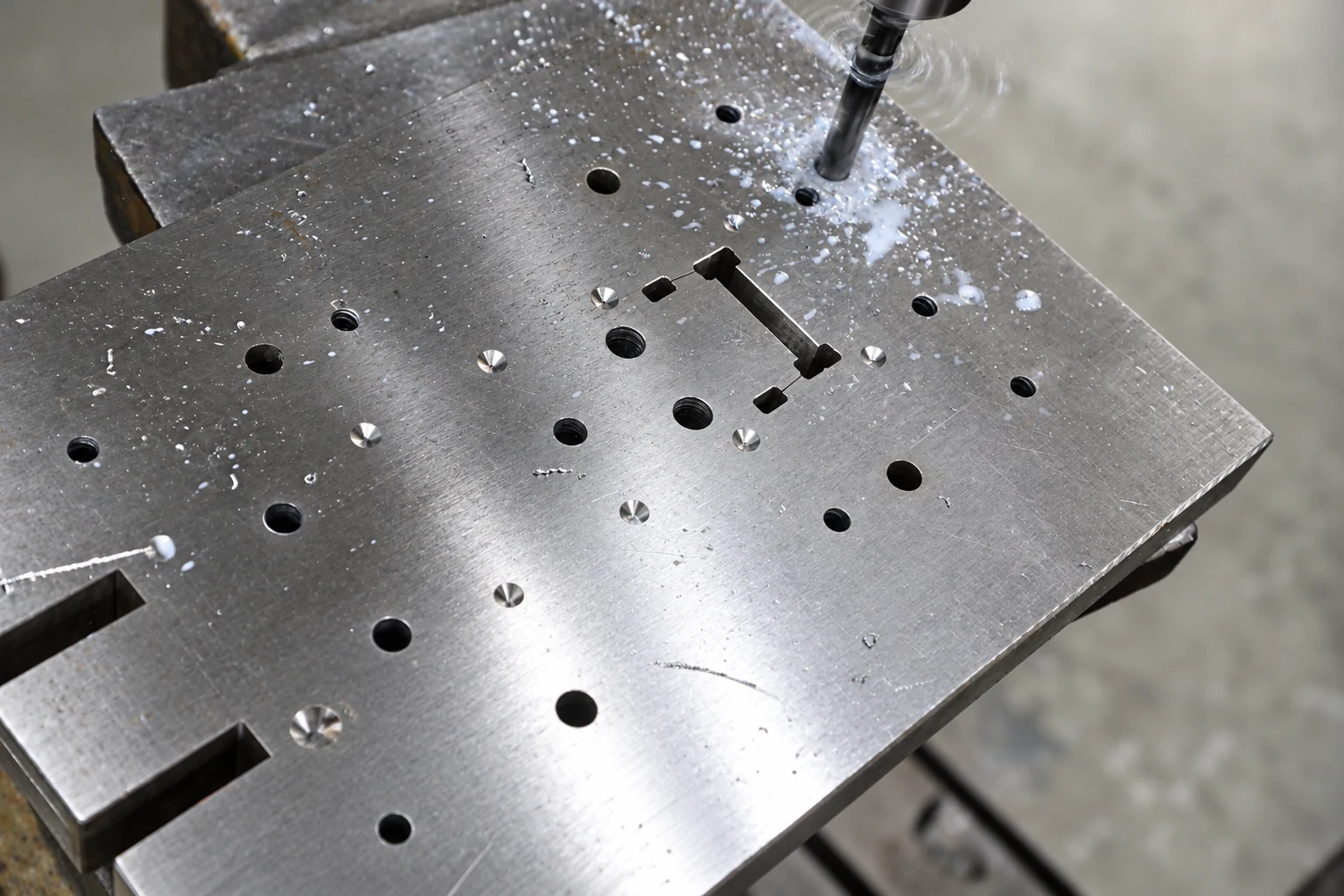
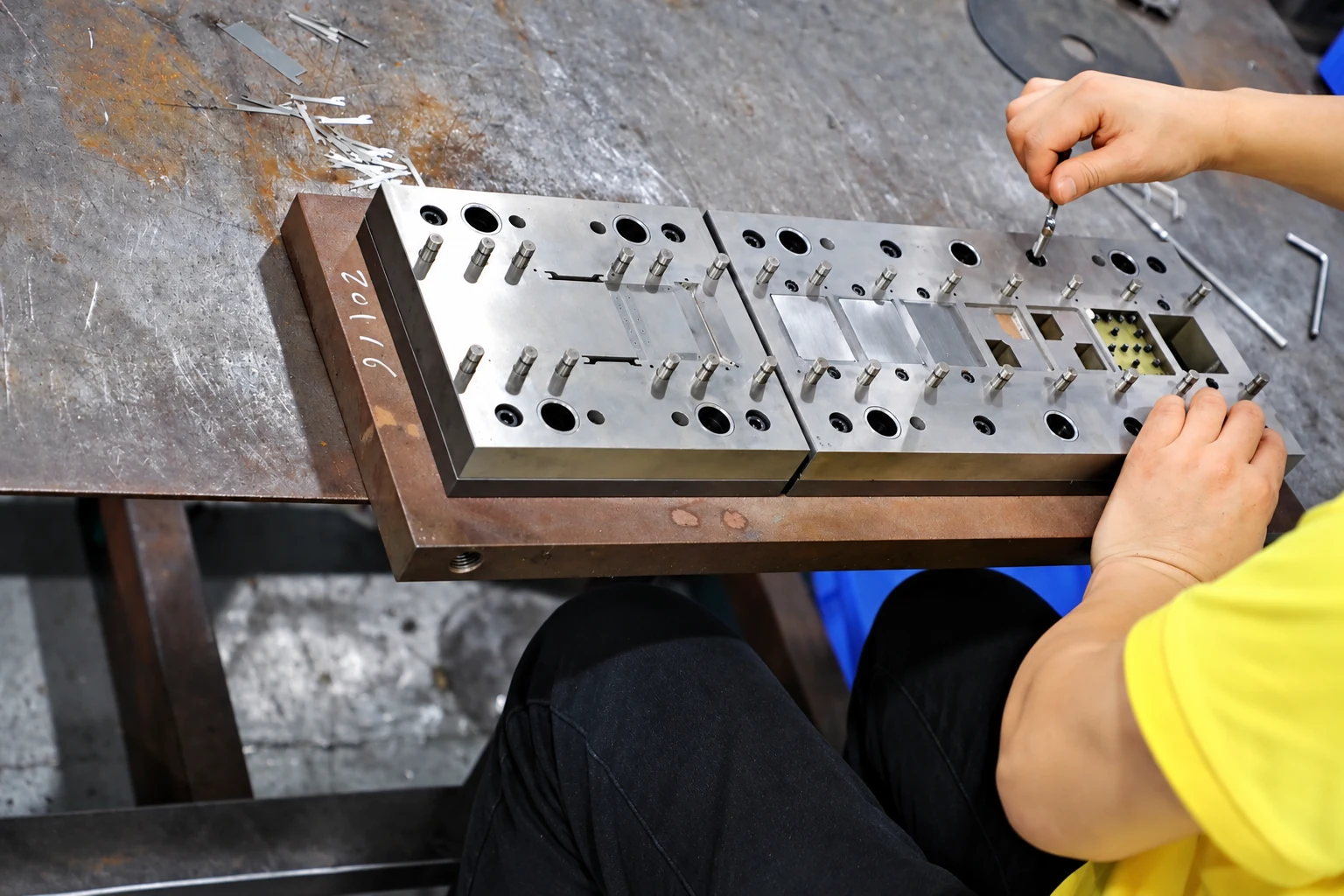
Paid samples include a full dimensional inspection report. Define drawing datums, acceptance criteria and corresponding mating parts so measurement and installed-fit checks can each answer the correct question. Confirm the charges, responsibilities and revision requirements for design changes, tooling work and later production stages within the project scope.
Paid samples and project planning
Samples are chargeable. Reference planning: standard samples 3–5 days; expedited sampling 48 hours; tooling and sample production 7–10 days. These are sample-stage arrangements, excluding mass-production delivery. The project plan is reviewed against the confirmed information, process and sample scope.
Related structures and project directions
Compare references through their coverage, installation and manufacturing tasks.
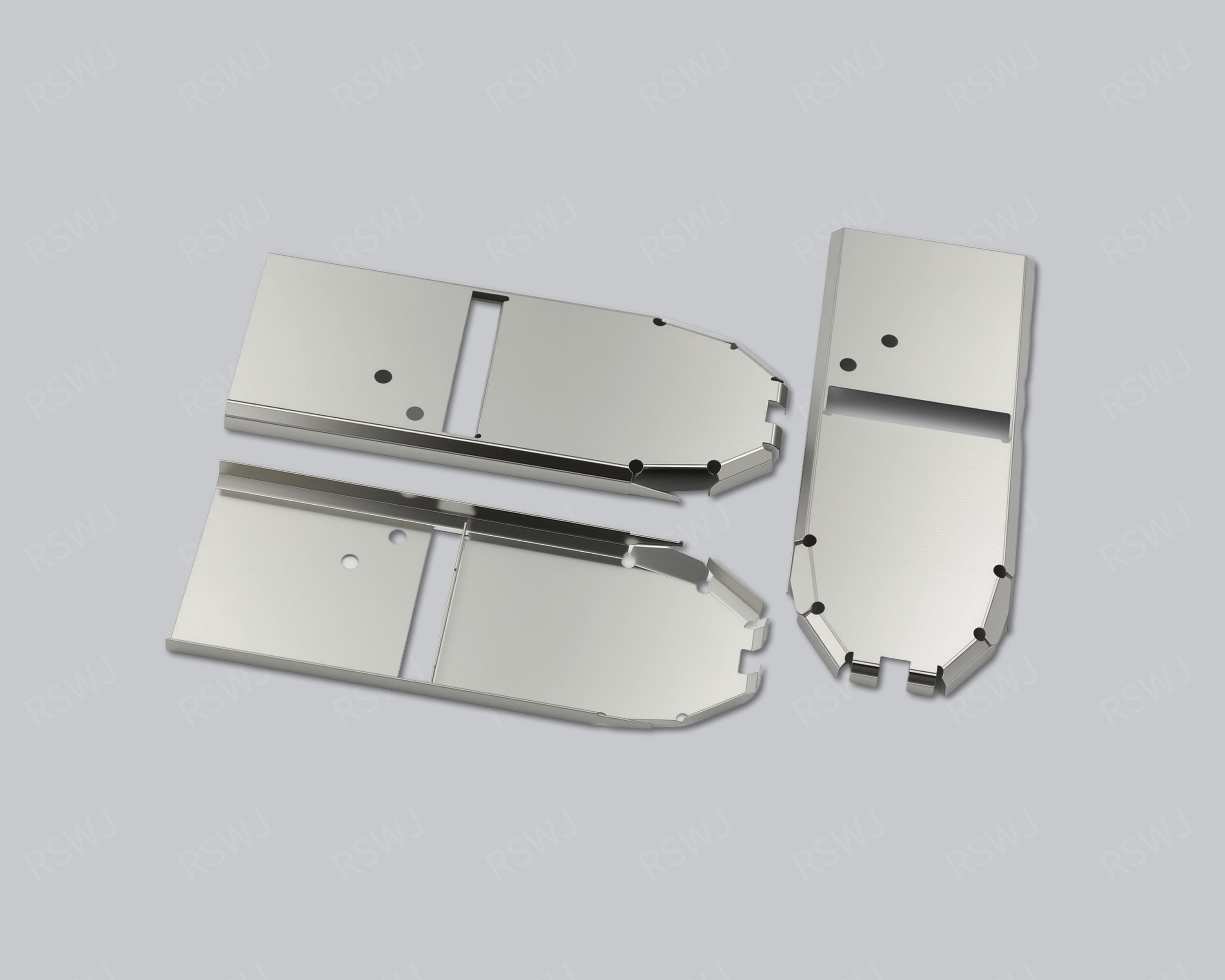
301 Stainless Steel Shielding Can
A 301 stainless steel shielding can starts with a specified alloy grade and a separately defined material state.
Design & manufacturing details →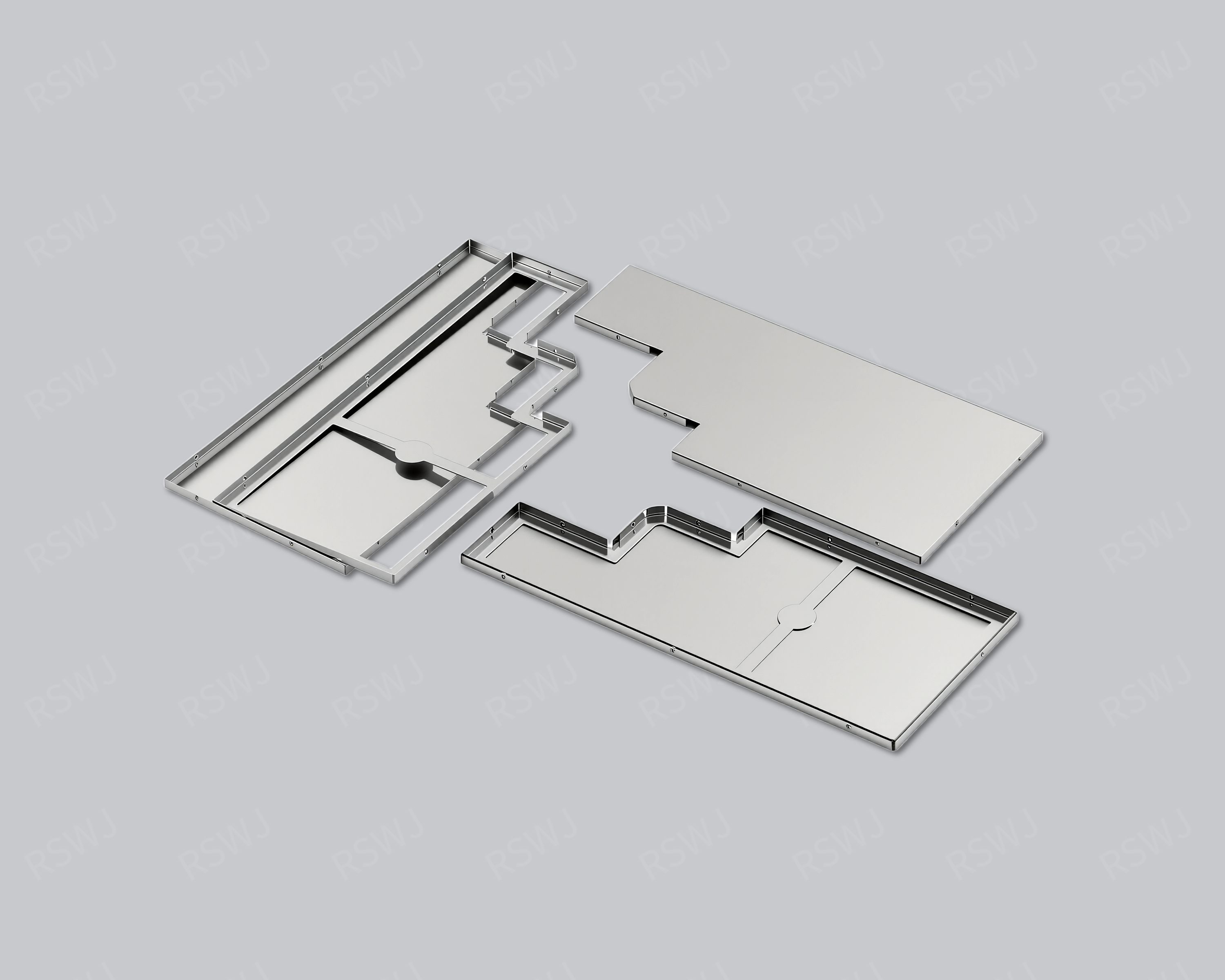
Stainless Steel Shielding Can
A stainless steel shielding can requires a specific grade, supply condition and joining arrangement.
Design & manufacturing details →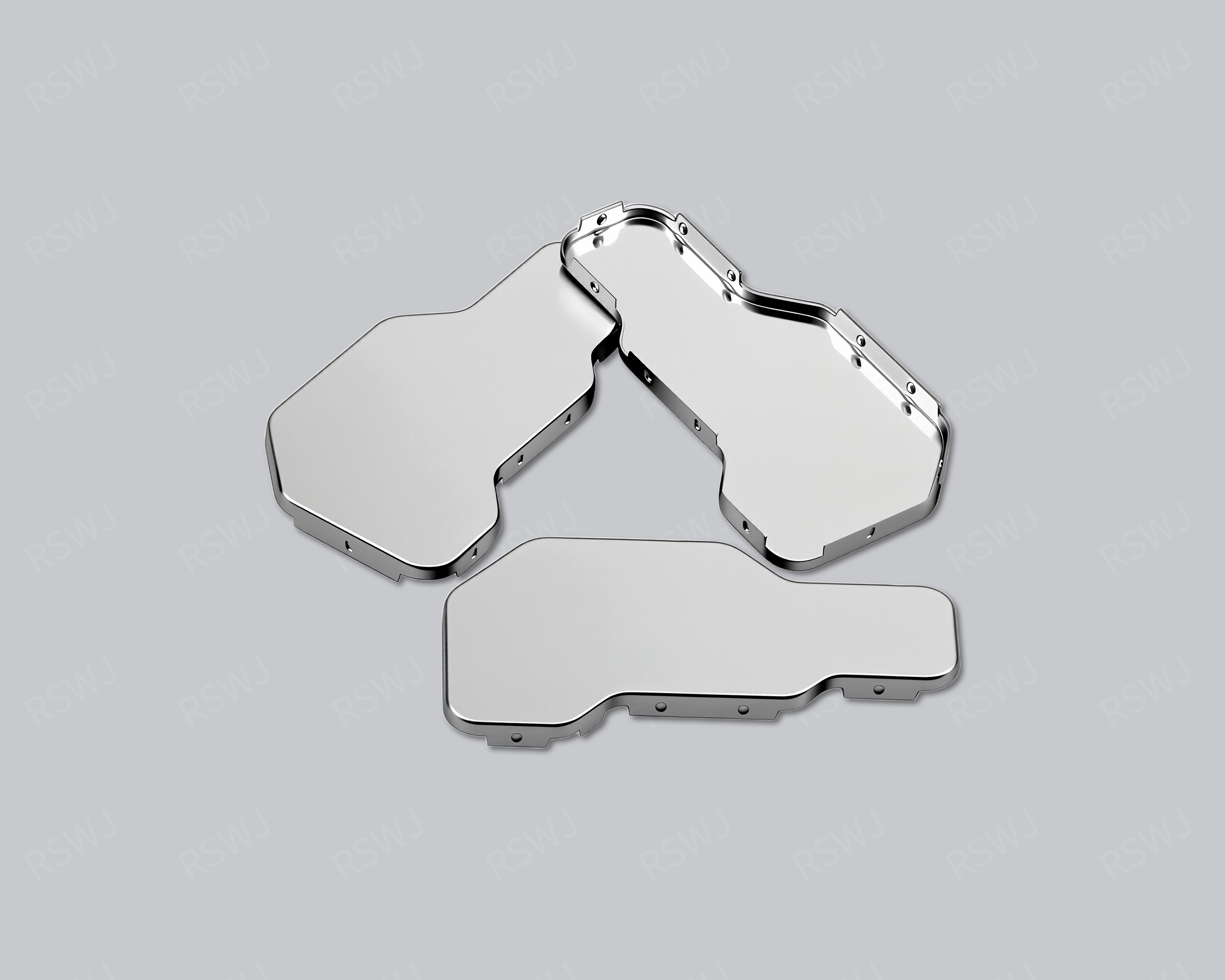
Permalloy Shielding Cover
A permalloy cover addresses a defined magnetic-field problem with an agreed alloy and treatment condition.
Design & manufacturing details →Discuss your Zinc Material Shielding Cover project
Send the current drawing and mating conditions so we can review the structure, material, sample scope and required checks.
Send your project requirementsExplore shield materials